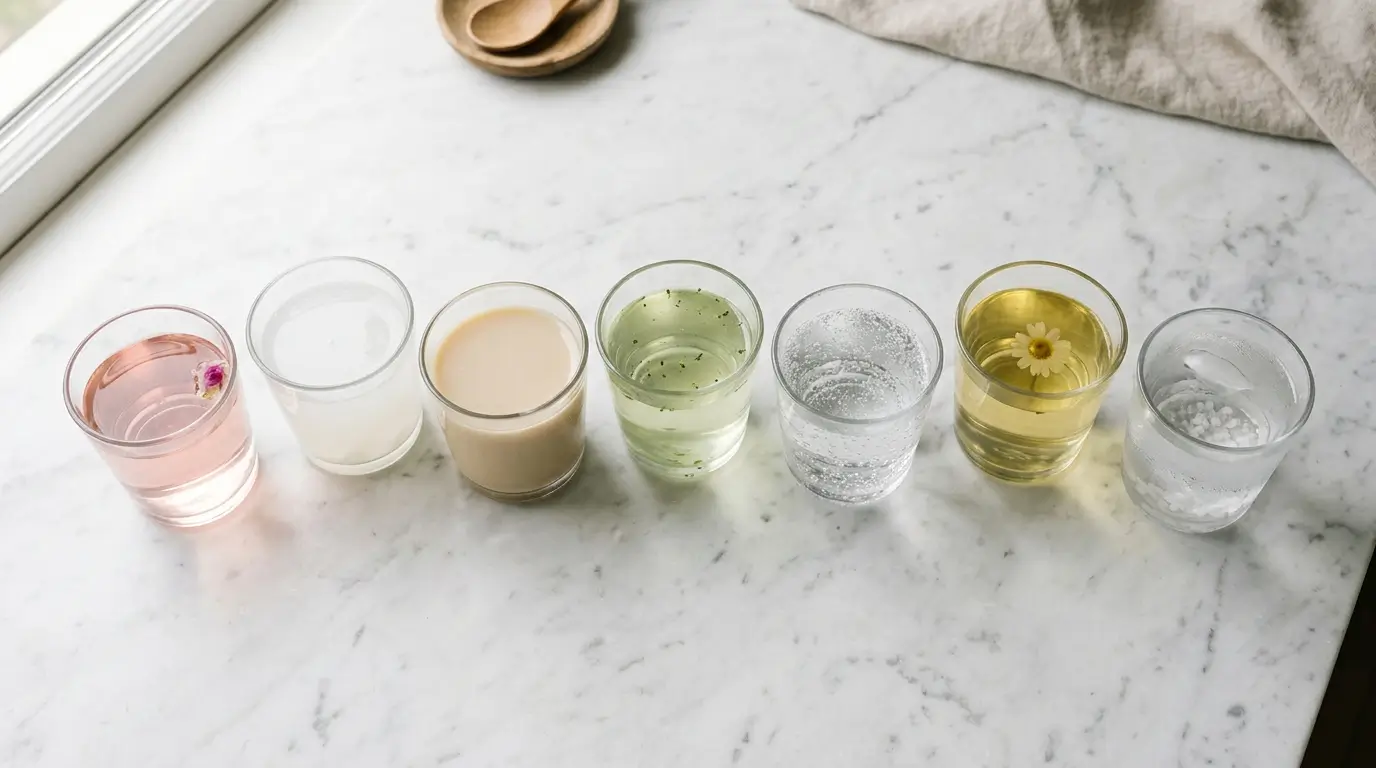
Short answer: almost none of them burn fat the way the videos claim, but a few of them genuinely help — just not for the reason that’s going viral. Most “magic” drink tricks either flush water weight temporarily, lean on a real (but modest) satiety effect from protein or fiber, or do nothing measurable at all. A couple carry real safety risk and shouldn’t be made at home no matter how many views the recipe has.
I’ve gone through every major weight-loss drink trend that’s circulated in the last year or two, looked at what’s actually been studied versus what’s just repeated in captions, and sorted them honestly below. If you’ve landed here because a video promised a drink would melt fat overnight, I want to save you the disappointment up front: nothing you drink burns fat on its own. Fat loss comes down to a sustained calorie deficit, and drinks can support that — by curbing appetite, replacing higher-calorie beverages, or improving how full a meal makes you feel — but none of them bypass that math.
How to actually read a “does it work” verdict
Before the comparison table, it’s worth understanding the four buckets I’m sorting these trends into, because “doesn’t work” and “works” are doing a lot of heavy lifting in this niche and rarely mean what the headlines imply.
Water weight is the most commonly mistaken-for-fat-loss result. Diuretics, electrolyte shifts, and changes in how much water your muscles are storing as glycogen can move the scale a pound or two in a day or two — and then it comes right back. This is the mechanism behind several of the most-viewed “I lost weight overnight” videos.
Satiety is a legitimate mechanism. Protein, soluble fiber, and even plain water taken before a meal can measurably reduce how much you eat at that meal in some studies. It’s not dramatic, and it only matters if it actually changes your total intake over time, but it’s real physiology, not hype.
No mechanism means there’s no plausible biological pathway connecting the ingredient to fat loss, and no research showing an effect. Plenty of viral drinks fall here — they’re trending because they’re easy to film, not because anything is happening metabolically.
Unsafe means the trend carries a real risk of harm — electrolyte imbalance, burns, or worse — independent of whether it does anything for weight. These get flagged hardest, because they’re the ones hype-driven sites are least likely to warn you about.
The honest verdict table
| Trend | What it claims | Real mechanism | Verdict |
|---|---|---|---|
| Pink salt trick | “Morning fat-burning drink” | Mild diuretic/electrolyte shift | Water weight only |
| Gelatin “jello trick” | Suppresses appetite, burns fat | Protein satiety | Partial — satiety, not magic |
| Oatzempic | Mimics Ozempic naturally | Soluble fiber, fullness | Partial — fiber satiety only |
| “Brazilian Mounjaro” / natural Ozempic drinks | Drug-like appetite suppression | Unproven; no GLP-1 activity | No real evidence |
| Baking soda trick | Alkalizes body, burns fat | None established | No evidence — and unsafe at the doses circulating |
| Lemon balm drink | Calms cravings, burns fat | Possible mild calming effect; no fat-loss data | No solid evidence |
| Salt & ice trick | Triggers fat burning at the site | None — confused with an unrelated skin-burn challenge | No evidence — unsafe |
A few of these deserve more than a row in a table, so here’s the honest version of each, with a link to the full breakdown if you want the deeper dive — recipe, dosage, and all the caveats I couldn’t fit here.
The pink salt trick: water weight, dressed up as fat loss

This is the one that started the whole “morning drink” wave, and it’s worth being direct about it: the scale movement people report is water, not fat. Salt and citrus shift fluid balance short-term; they don’t touch fat stores. That doesn’t mean the drink is pointless — plenty of people enjoy it as a hydration habit — but it shouldn’t be sold as a fat-loss tool. I cover the full mechanism, the actual recipe, and why the “before and after” videos are misleading in the full breakdown of the pink salt trick.
The gelatin “jello trick”: real satiety, oversold delivery
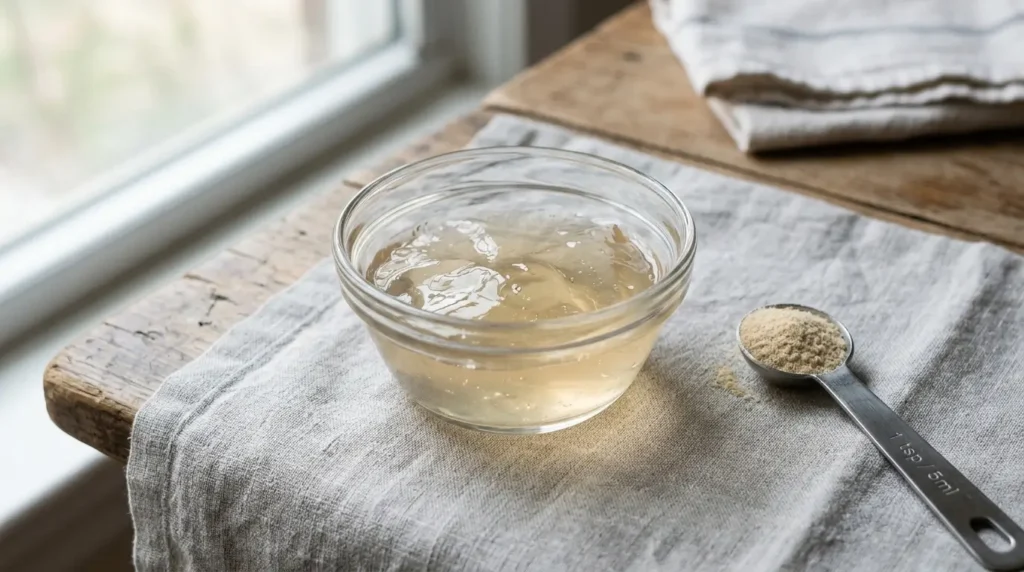
Gelatin is mostly protein, and protein is genuinely one of the more filling macronutrients per calorie — that part isn’t hype. Where the trend overreaches is in framing it as some kind of metabolic switch rather than what it actually is: a low-calorie, high-protein snack that might help you eat less later if it replaces something less filling. I go deeper on the protein/satiety angle and share a high-protein version actually worth making in our honest take on the gelatin “jello trick”.
Oatzempic: fiber doing fiber’s job, not a drug’s job
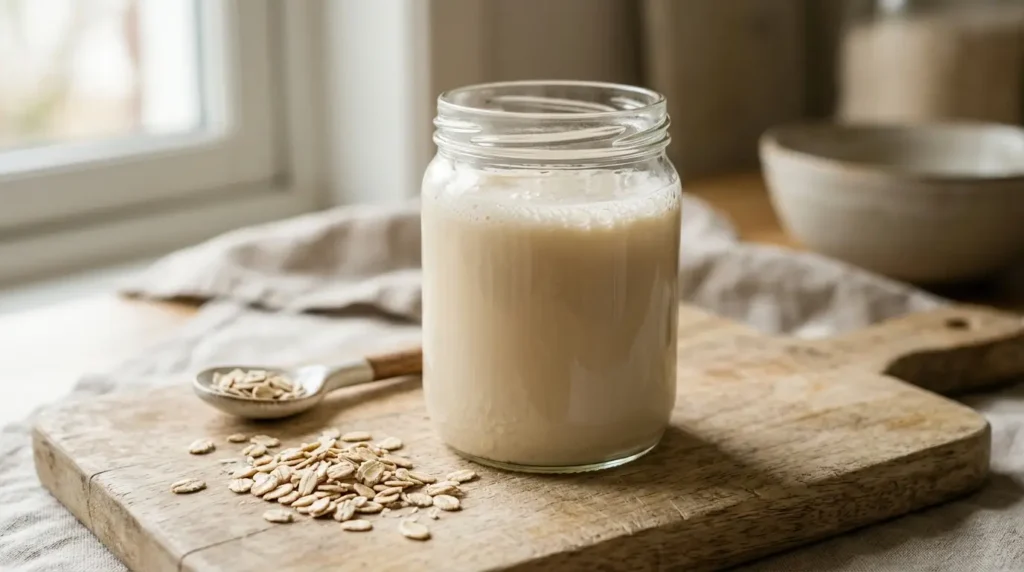
The name is the problem here. Oats and chia (the usual base) contain soluble fiber, which can slow digestion and support fullness — a real, modest effect backed by general research on fiber and satiety. What it does not do is act on the same receptors as GLP-1 medications, despite the name borrowing that comparison. If you’re curious about the actual oat drink without the medical-sounding branding, I break it down — including a clear disclaimer on why it isn’t a substitute for medication — in our explainer on oatzempic.
“Brazilian Mounjaro” and natural Ozempic drinks: the weakest evidence on this list
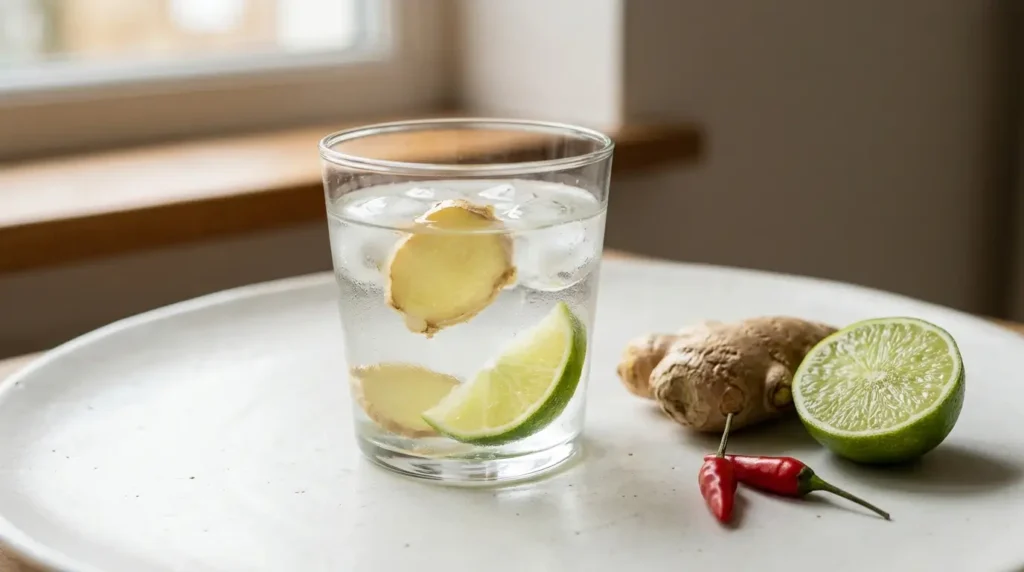
This is the trend I’d push back on hardest. The ingredients vary by video — usually a mix of citrus, ginger, and other plant extracts — but none of them have been shown to mimic the appetite-regulating drug effect the name implies. There’s no harm in drinking citrus-and-ginger water, but there’s also no evidence it does what the branding suggests. The full explainer, including why the name itself is misleading, is in our breakdown of Brazilian Mounjaro and other “natural Ozempic” drinks.
The baking soda trick: where I’d actually tell you to stop
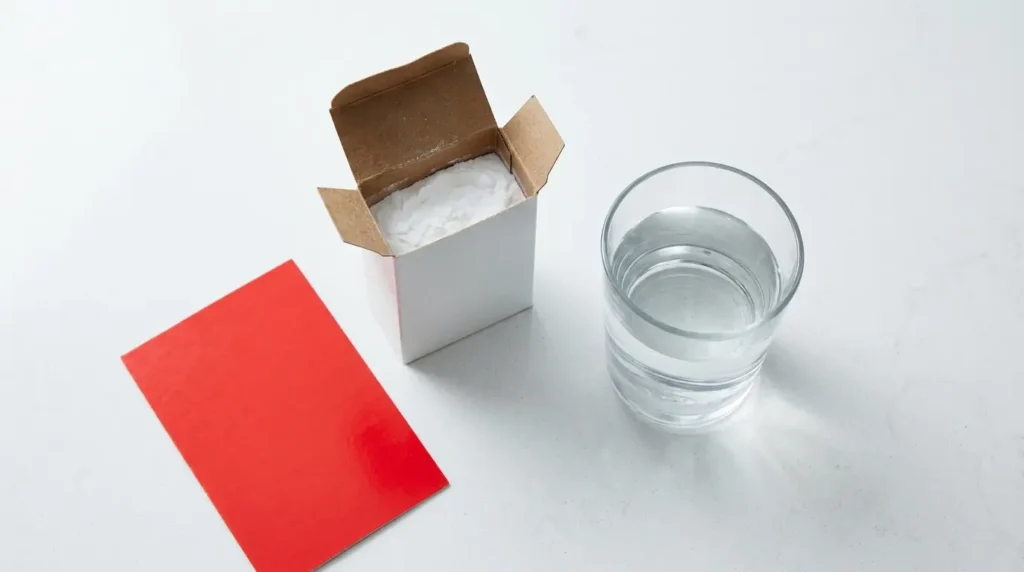
This is the one place on this list where I’d ask you to skip the recipe entirely rather than try an “honest version” of it. Sodium bicarbonate in the concentrations circulating online can throw off your electrolyte and acid-base balance, and there have been real overdose cases tied to baking-soda drinking trends. There’s no fat-loss mechanism here to begin with, so the risk isn’t buying you anything. I explain what’s actually going on physiologically — and why this is a trend to read about, not make — in why the baking soda trick is one to skip.
Lemon balm drinks: pleasant, under-studied for weight loss specifically

Lemon balm has some evidence behind it for mild calming effects, which is plausibly where the “reduces stress eating” claims originated. But that’s a different thing from a documented weight-loss mechanism, and I haven’t found research that shows the drink itself changes body composition. If you like the taste and the calming ritual, that’s reason enough to make it — just not as a fat-loss strategy. More on the actual research (and a simple version worth trying) is in our look at the lemon balm drink trend.
The salt & ice trick: no mechanism, and a name to be careful with
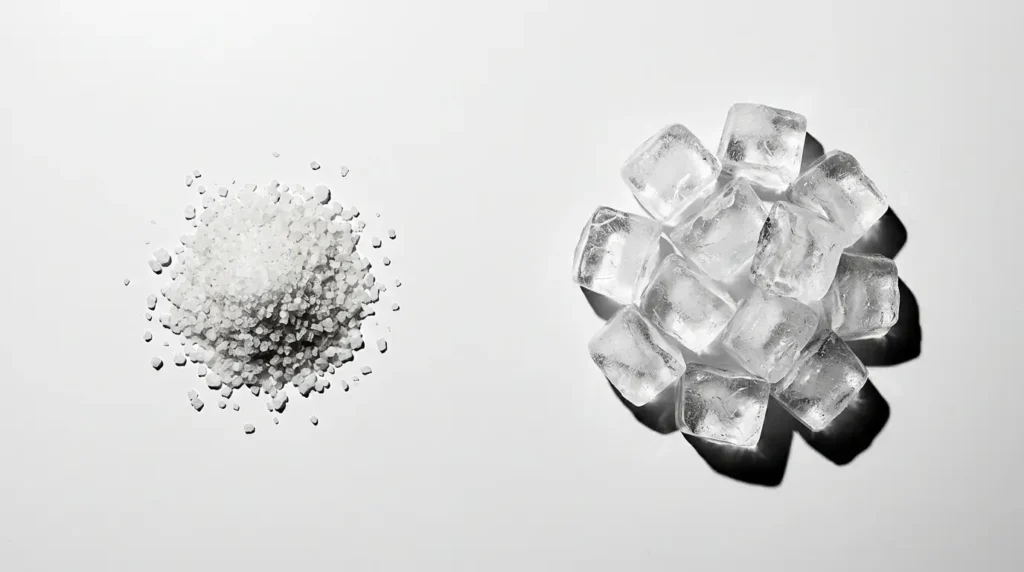
Worth separating two things that share a name: the weight-loss “salt and ice trick” (rubbing salt and ice on skin, supposedly to “target” fat) has no metabolic mechanism behind it at all — fat can’t be spot-reduced this way, full stop. Separately, there’s an unrelated “salt and ice challenge” that causes genuine skin burns, and the overlap in naming online causes real confusion. Neither version belongs in a weight-loss routine. I walk through both, and why this is a trend to understand rather than try, in our breakdown of the salt and ice trick.
What about ACV, tea, and plain water?
If you’re searching for drinks that work, the strongest evidence on this site isn’t in the viral trends above — it’s in the more boring categories. Apple cider vinegar has some real, if modest, research behind appetite and blood-sugar effects when dosed and diluted correctly; we cover the timing, dosage, and safety questions in detail in our guide to ACV timing and dosage. Plain and infused water support weight management mainly by displacing higher-calorie drinks and supporting pre-meal fullness — not through any special “detox” effect — and we’ve tested a dozen approaches in our infused water recipes and evidence guide. And of the trending teas, a few have meaningfully more research behind them than the viral drinks on this page; we rank them honestly in our guide to the teas with the strongest weight-loss evidence.
None of these are dramatic, either. That’s the honest pattern across this entire category: the drinks with real evidence behind them have small, supportive effects, not transformative ones.
So what’s actually worth doing
If I had to boil this down to one piece of practical advice, it’s this: the drinks that help are the ones that either replace a higher-calorie drink you’d otherwise have, or genuinely make a meal more filling. A vinegar tonic before dinner, a glass of water before you eat, a protein-forward drink instead of a sugary one — these are unglamorous, but they’re the mechanisms with actual support behind them. The viral trends that “work” tend to be doing one of those same boring things under a more exciting name.
Safety notes worth taking seriously
Two trends on this list — the baking soda trick and the salt & ice trick — carry real risk and aren’t included as recipes anywhere on this site for that reason. Beyond those, anyone on blood pressure or diabetes medication should talk to a doctor before regularly using vinegar-based drinks, since vinegar can interact with certain medications and affect blood sugar. And if you have a kidney condition or are on a sodium-restricted diet, check with a doctor before any salt-based drink, including the pink salt trick.
FAQ
No. No drink burns stored fat in hours; fat loss happens over weeks through a sustained calorie deficit. Any drink that produces an overnight scale change is moving water, not fat.
Mostly because the visual is compelling and the result — a lower number on the scale the next morning — is real, even when the cause (water weight) isn’t what’s implied. A dramatic-looking before/after travels further than a caveat about fluid balance.
Apple cider vinegar and high-protein drinks like the gelatin trend have the most legitimate research behind their mechanisms, though both are modest, supportive effects rather than primary weight-loss tools.
If you’re hoping for a satiety or appetite effect, you’d typically notice within a couple of weeks whether it’s changing how much you’re eating. If the scale moved in the first day or two, that’s almost always water, not a sign the drink “works.”
The takeaway
If one of these trends caught your attention, the honest move is to click into its dedicated breakdown above rather than try a baking-soda or salt-and-ice version off a video caption — those two aren’t worth the risk regardless of what’s promised. If you want the drinks with the most actual evidence behind them, start with the ACV dosing guide or the infused water roundup; they’re less exciting, but they’re the ones backed by something more than a trending sound.