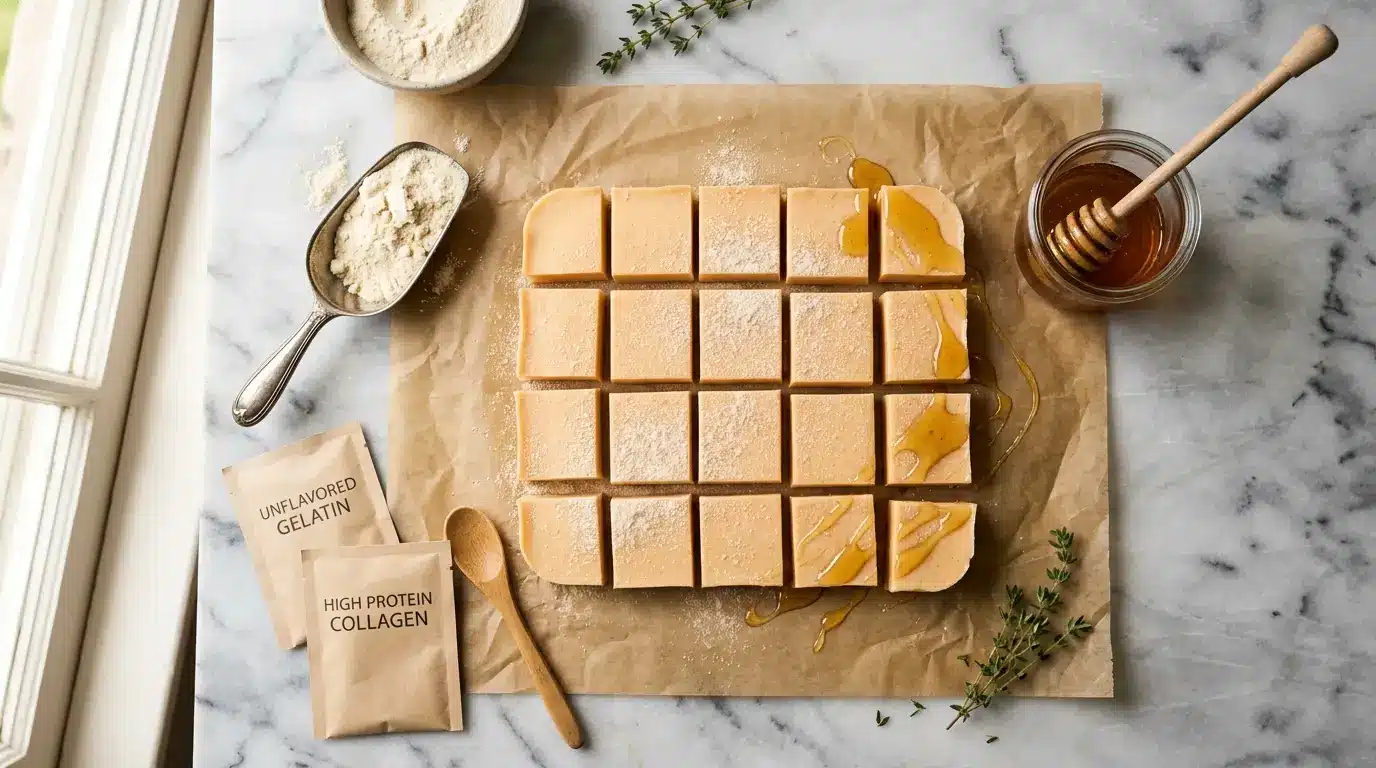
The gelatin “jello trick” doesn’t burn fat, and it doesn’t flip any special metabolic switch. But it isn’t nothing, either. Used the way most people online actually mean it — a small, low-calorie, protein-containing snack eaten shortly before a meal — it can genuinely help some people eat a bit less, through completely ordinary appetite physiology. That’s a real mechanism. It’s just not a unique one to gelatin, and it won’t outperform any other modest, protein-forward snack eaten the same way.
If you came here looking for the recipe itself, jump to the recipe. If you want the honest “why,” keep reading.
What people mean by the “gelatin trick”
The version circulating on social feeds is usually some combination of: eat a small cup of sugar-free gelatin (Jello) or a homemade gelatin gummy before meals, sometimes with a scoop of protein powder mixed in, and claim it curbs appetite or “tricks” your body into burning fat. The framing makes it sound like gelatin itself has some special property — collagen, an “ancient superfood,” whatever the hook of the week is.
It doesn’t. Gelatin is cooked-down collagen, mostly water and a handful of amino acids, with essentially zero fat or carbohydrate in its unflavored form. What it has going for it is volume and a bit of protein for very few calories — which is exactly the same trick a bowl of broth, a glass of water, or a plain protein shake plays before a meal.
This is part of a wider wave of viral weight-loss drinks and snacks — see our full, honest comparison of viral weight-loss drinks and which ones actually hold up for how gelatin stacks up against the pink salt trick, oatzempic, and the rest.
The real mechanism: protein and pre-meal volume, not magic
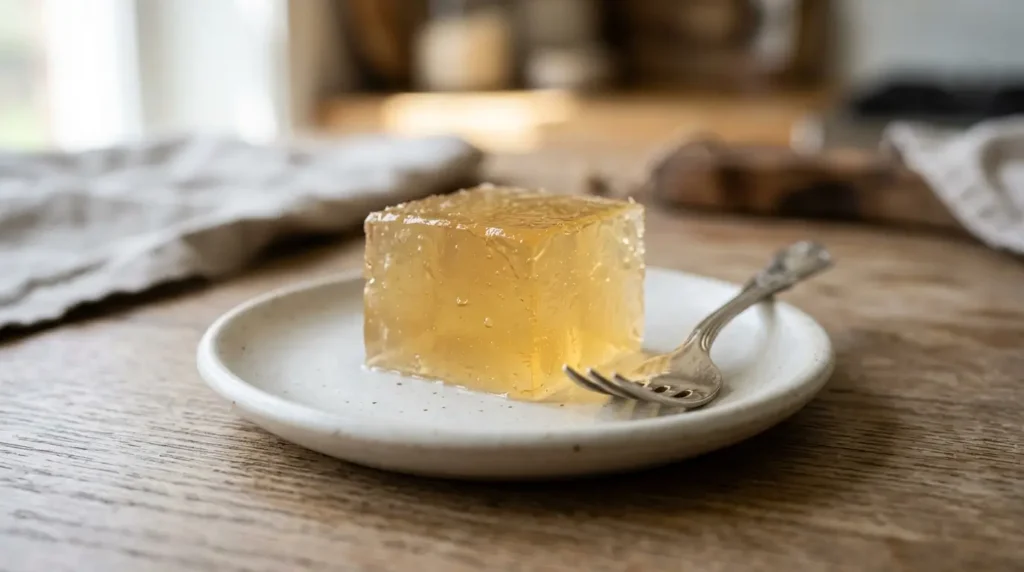
Two ordinary, well-documented appetite mechanisms are doing whatever real work happens here.
Protein is the most satiating macronutrient, gram for gram. This is one of the more consistent findings in nutrition research — protein tends to suppress hunger hormones and increase fullness signals more than equivalent calories from carbohydrate or fat. A small gelatin-and-protein snack before a meal is, in effect, a mini pre-load of protein, and pre-loading protein before a meal is a legitimate, low-risk strategy some people use to eat a bit less at the meal that follows.
Low-calorie volume before a meal also blunts intake. Anything that takes up stomach space without much energy — water, broth, a gelatin snack — can modestly reduce how much you eat afterward, mostly through stretch receptors and simple habit (you’re less hungry sitting down to dinner). This effect is real but small and inconsistent person to person.
What gelatin does not have going for it is a complete amino acid profile. Gelatin is built almost entirely from glycine, proline, and hydroxyproline, and it’s missing tryptophan — nutritionally, that makes it an “incomplete” protein. It’s a fine source of a few specific amino acids (some early research looks at glycine for sleep and joint comfort), but on its own it’s a weaker tool for satiety or muscle maintenance than a complete protein like whey, egg, or even a well-rounded plant protein blend. That’s exactly why the recipe below adds a scoop of protein powder — gelatin alone, in the amount anyone is realistically eating, just isn’t enough protein to do much.
None of this is about water weight, the way the pink salt trick mostly is — gelatin has no real fluid-shifting mechanism, so don’t expect the kind of next-morning scale change people report with that trend. It’s a slower, smaller, appetite-side effect, if it does anything at all.
What it won’t do
It won’t melt fat from anywhere on your body. It won’t replace a calorie deficit, which is still the only mechanism behind sustained fat loss. And eating gelatin snacks while otherwise eating the same as you normally would isn’t likely to move the scale in any noticeable way — the calories saved by feeling slightly fuller before one meal are easy to undo elsewhere in the day.
It’s also worth separating this from the wave of “natural Ozempic” drinks — things like Brazilian Mounjaro — which lean on a totally different (and similarly unproven) claim about appetite hormones. Gelatin’s plausible mechanism is plain old protein and volume, not anything resembling a GLP-1 effect.
Safety and who should be cautious
Gelatin is generally well tolerated and isn’t a meaningfully risky food for most healthy adults — this is a low-stakes trend compared to some others making the rounds. A few things worth knowing:
- It’s animal-derived. Standard gelatin comes from collagen in animal skin, bone, and connective tissue, so it isn’t vegetarian or vegan. Agar-agar (seaweed-derived) is the closest plant-based substitute, though it sets firmer and behaves slightly differently in a recipe.
- Watch the sugar if you’re using store-bought flavored Jello. The “trick” only makes sense calorically with sugar-free, unflavored, or lightly sweetened versions — a sugar-loaded flavored cup undercuts the entire point.
- It’s not a complete protein source. Don’t rely on gelatin as your main protein intake for the day; pair it with other protein sources, the way the recipe below does.
- Check with a doctor if you have a relevant medical condition — for example, if you’re managing diabetes, following a medically supervised diet, or have a known gelatin or collagen sensitivity (rare, but it happens). This applies generally any time you’re changing your diet around a specific health goal, not just for this trend.
A High-Protein Gelatin Recipe, Done Right
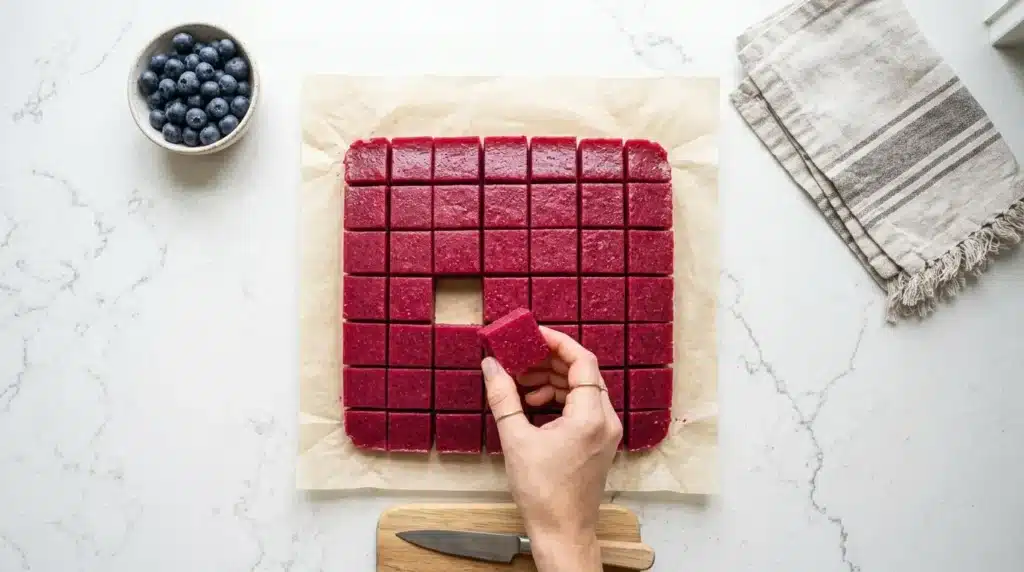
This version skips the sugar and the vague “jello trick” framing and just builds a snack that does what gelatin snacks can plausibly do: deliver real protein and low-calorie volume in something you’ll actually want to eat.
Yield: about 16 bite-size squares
Prep time: 10 minutes (plus 2+ hours to set)
Ingredients
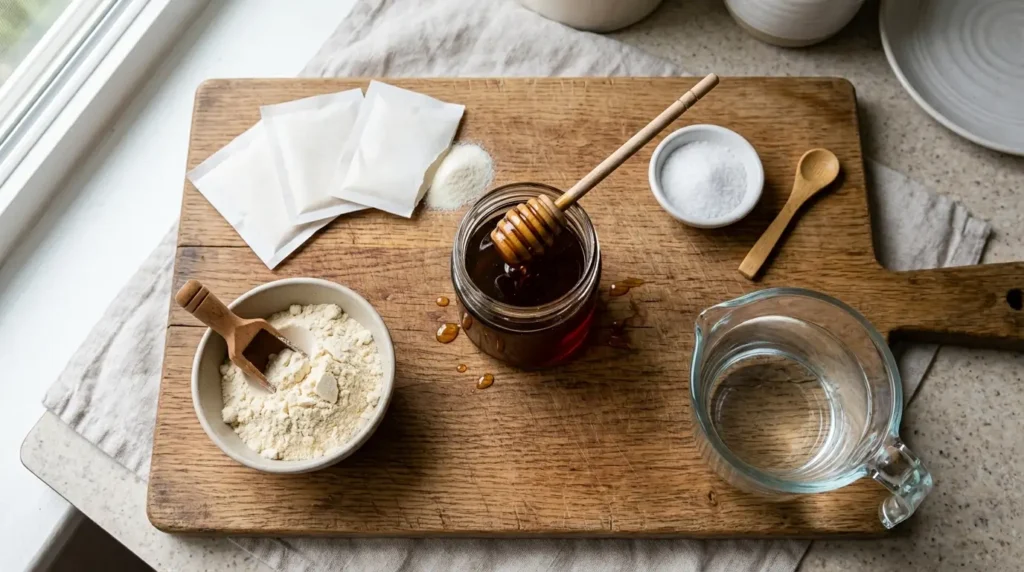
- 2 cups (480 ml) unsweetened fruit juice or water, divided
- 4 tablespoons (about 28 g, or 4 packets) unflavored gelatin powder
- 1 scoop (about 30 g) protein powder — whey, casein, or a complete plant blend
- 1–2 tablespoons honey or a low-calorie sweetener, to taste
- A small pinch of salt
Steps
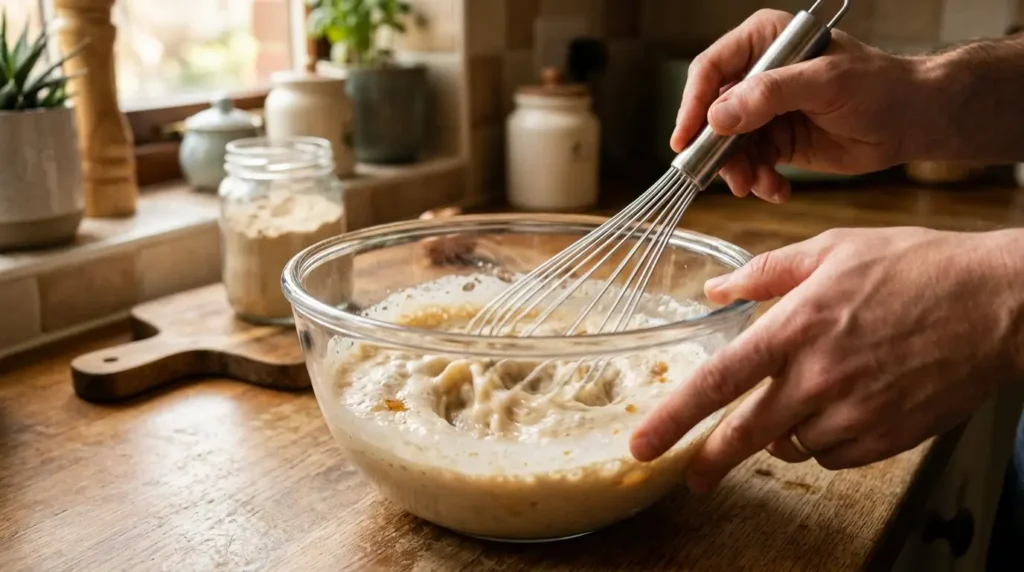
- Pour 1 cup of the cold liquid into a mixing bowl. Sprinkle the gelatin powder evenly over the surface and let it sit undisturbed for 5 minutes to “bloom” — it’ll look like wet sand.
- Heat the remaining 1 cup of liquid until just simmering (don’t let it boil). Pour the hot liquid over the bloomed gelatin and whisk continuously until every grain has fully dissolved — this takes about a minute of steady whisking.
- Whisk in the protein powder a little at a time until smooth, with no clumps.
- Stir in the sweetener and pinch of salt, tasting as you go.
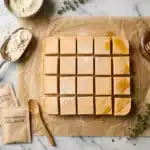
- Pour the mixture into an 8×8-inch dish, or divide it among silicone molds for individual portions.
- Refrigerate for at least 2 hours, or until fully set and firm to the touch.
- Cut into squares and store covered in the refrigerator for up to 5 days.
A note from testing this: the protein powder you choose changes the texture more than you’d expect — whey sets slightly softer, casein gives a denser, more pudding-like bite. I’d start with whatever you already have on hand before buying something new for this.
PrintHigh-Protein Gelatin Bites
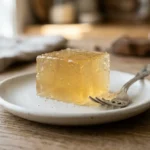
A sugar-free, high-protein gelatin snack that skips the vague “jello trick” hype — just real protein and low-calorie volume, made ahead and ready to grab.
- Prep Time: 10 minutes
- Cook Time: 0 minutes
- Total Time: 10 minutes
- Yield: 16 bite-size squares 1x
- Category: Snack
- Method: No-Bake
- Cuisine: American
- Diet: Gluten Free
Ingredients
- 2 cups (480 ml) unsweetened fruit juice or water, divided
- 4 tablespoons (about 28 g, or 4 packets) unflavored gelatin powder
- 1 scoop (about 30 g) protein powder — whey, casein, or a complete plant blend
- 1–2 tablespoons honey or a low-calorie sweetener, to taste
- A small pinch of salt
Instructions
- Pour 1 cup of the cold liquid into a mixing bowl. Sprinkle the gelatin powder evenly over the surface and let it sit undisturbed for 5 minutes to “bloom” — it’ll look like wet sand.
- Heat the remaining 1 cup of liquid until just simmering (don’t let it boil). Pour the hot liquid over the bloomed gelatin and whisk continuously until every grain has fully dissolved — about a minute of steady whisking.
- Whisk in the protein powder a little at a time until smooth, with no clumps.
- Stir in the sweetener and pinch of salt, tasting as you go.
- Pour the mixture into an 8×8-inch dish, or divide it among silicone molds for individual portions.
- Refrigerate for at least 2 hours, or until fully set and firm to the touch.
- Cut into squares and store covered in the refrigerator for up to 5 days.
Notes
Testing note: the protein powder you choose changes the texture more than you’d expect — whey sets slightly softer, casein gives a denser, more pudding-like bite. Start with whatever you already have on hand before buying something new for this.
Substitution: not suitable for vegans/vegetarians as written, since gelatin is animal-derived. Agar-agar is the closest plant-based swap, but follow an agar-specific ratio rather than substituting it 1:1 — it sets differently.
Nutrition
- Serving Size: 1 square (of 16)
FAQ
No. Nothing about gelatin’s composition increases fat burning. Any effect it has on weight is indirect, through appetite and calorie intake — not through a metabolic or fat-burning mechanism.
There’s no established effective dose for this specific use. The recipe above uses roughly one standard packet of gelatin per serving size of the batch, paired with added protein powder, since gelatin alone in a typical single-packet amount contributes only a small amount of protein.
Functionally, yes — a sugar-free, store-bought gelatin cup gives you the same low-calorie volume, just without the added protein powder this recipe includes for a stronger satiety effect.
Not with standard gelatin, since it’s made from animal collagen. Agar-agar is the standard plant-based swap, though you’ll want to follow an agar-specific ratio rather than substituting it 1:1, since it sets differently.
The takeaway
The gelatin trick is a small, low-risk way to add a bit of protein and volume before a meal — worth trying if you like the format, not worth expecting much from if you don’t. If it doesn’t fit your routine, the underlying mechanism (more protein, a little volume, before you eat) works just as well from a glass of water with a protein shake. And if you’re weighing this against the other trends in your feed, our comparison of viral weight-loss drinks lays out, trend by trend, which ones have a real mechanism behind them and which ones don’t.