The verdict, up front: this drink isn’t a natural version of anything pharmaceutical. It’s a tangy apple cider vinegar, lemon, and ginger tonic that may modestly support fullness and digestion the same way a glass of water before a meal does — but it has no mechanism that mimics tirzepatide (the actual drug sold as Mounjaro) or any GLP-1 medication. If you’ve landed here searching “natural Ozempic drink,” “natural Zepbound recipe,” or even “Japanese alpine tonic,” you’re looking at variations on this same trend, and the honest answer is the same for all of them: pleasant, low-calorie, mildly useful — not a metabolic hack.
I’ll walk through where this came from, what each ingredient is actually doing, where the name comparison falls apart, and a version of the recipe I’d actually recommend making.
Where “Brazilian Mounjaro” Came From
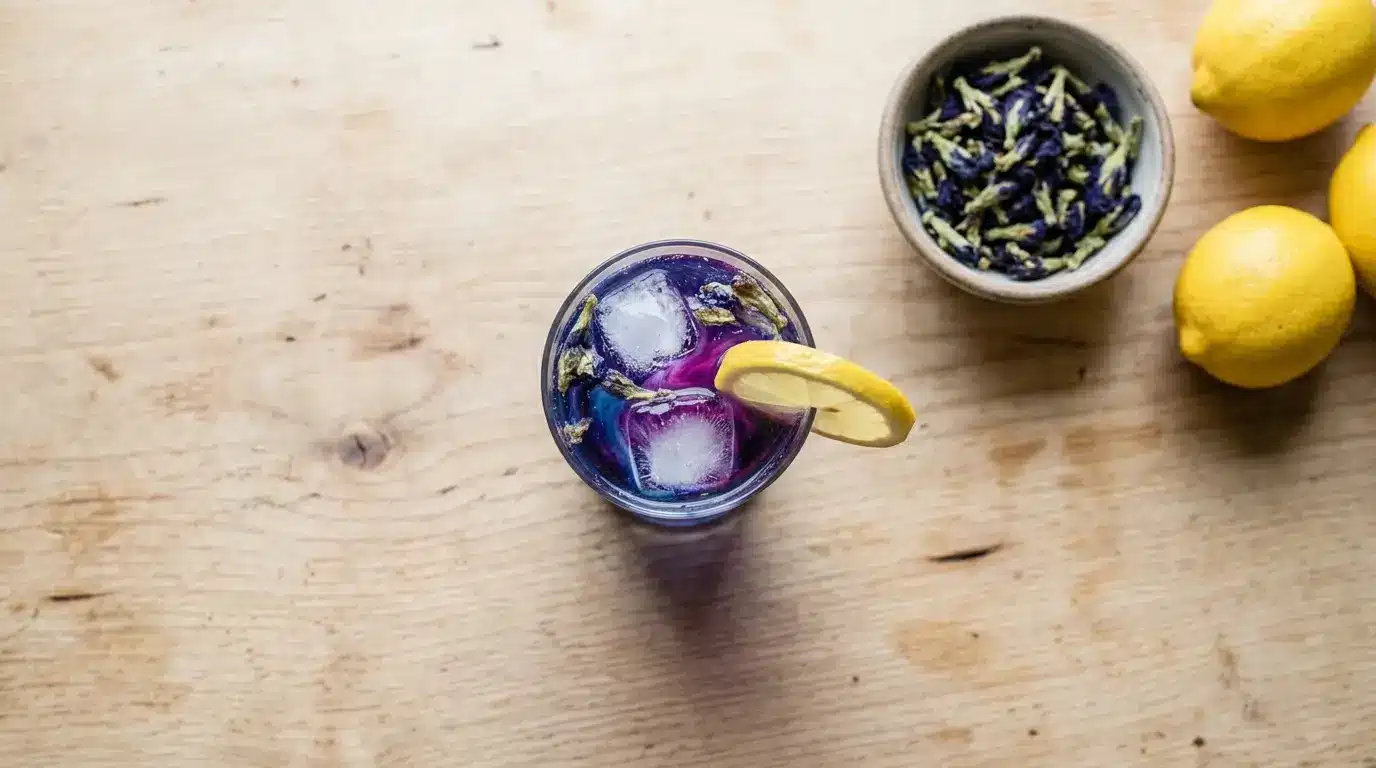
This drink started circulating on TikTok as a homemade tonic — usually apple cider vinegar, lemon juice, and grated ginger stirred into warm water — that creators nicknamed after the prescription drug Mounjaro because of how it was marketed: sip it before meals and you’ll eat less. Some versions add cinnamon or honey for flavor; others throw in butterfly pea flower for a color-changing effect that looks great on camera. None of that changes what the drink fundamentally is: an acidic, low-calorie beverage built from kitchen staples.
It’s worth saying clearly, since it gets blurred in a lot of recipe posts: Mounjaro is Eli Lilly’s brand name for tirzepatide, a prescription injectable. This homemade drink isn’t affiliated with it, isn’t a substitute for it, and doesn’t work through the same biology. More on that below.
For the bigger picture on how this fits among other viral drinks, our honest comparison of viral weight-loss drinks walks through which of these trends have any real evidence behind them.
What’s Actually in It — and What Each Ingredient Does
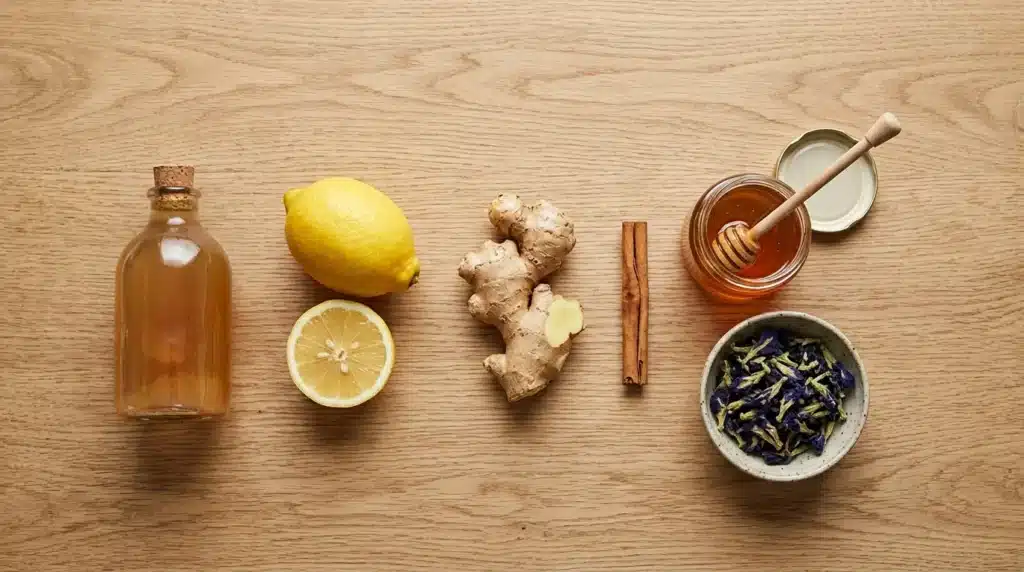
Apple cider vinegar. The acetic acid in ACV is the one ingredient here with any human research behind it: small studies suggest it can modestly slow gastric emptying and slightly blunt the blood sugar spike after a carb-heavy meal, which may translate to feeling a bit fuller. The effect is small, inconsistent across studies, and not a fat-burning mechanism — it’s a digestion and blood-sugar effect, not a calorie-burning one.
Lemon juice. Mostly flavor and a bit of vitamin C. There’s no evidence lemon water does anything for weight loss beyond the modest “more fullness from a low-calorie drink” effect any beverage with volume can offer.
Fresh ginger. Ginger has decent evidence for easing nausea and supporting digestion, and a few small studies suggest a mild thermogenic effect — but “mild” is the operative word. It’s not going to move the needle on weight loss on its own.
Optional add-ins (cinnamon, honey, butterfly pea flower). Cinnamon has some preliminary research around blood sugar regulation, but evidence in real-world doses is thin. Honey adds flavor and sugar — fine in moderation, but it’s adding calories, not removing them. Butterfly pea flower is mostly there for the visual: it’s rich in antioxidant anthocyanins, which is a genuine nutritional plus, but it isn’t doing anything specific for appetite or metabolism.
Why It’s Not “Natural Mounjaro”
Tirzepatide works by activating GLP-1 and GIP receptors directly in the brain and gut, which changes hunger signaling, slows digestion at a hormonal level, and affects insulin response in a targeted, sustained way. That’s a fundamentally different kind of intervention than drinking diluted vinegar. Nothing in this recipe activates those receptors or produces anything close to that effect.
What this drink can realistically do is help with portion control if you sip it before a meal — you’re filling some stomach volume with a near-zero-calorie liquid, and the vinegar may take a small edge off the post-meal blood sugar spike. That’s a genuinely useful, modest habit. It is not a substitute for medical treatment, and framing it as a “natural” version of a prescription drug oversells what’s happening here.
If you’ve already tried the pink salt trick or the gelatin “jello trick”, the pattern should look familiar: a viral name borrowed from somewhere more dramatic, attached to an ingredient combination with a real but modest mechanism underneath it.
The Recipe (Honestly Framed)
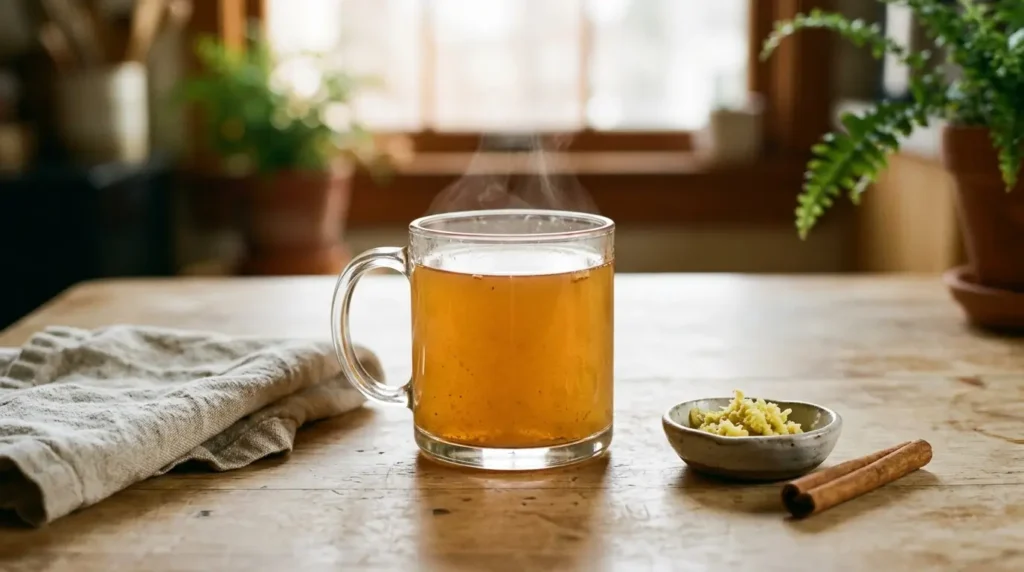
This is close to the original viral version, without the overpromising. It’s a pleasant, mildly tart tonic — treat it as a low-calorie habit, not a metabolic intervention.
Yield: 1 serving
Prep time: 3 minutes
Ingredients
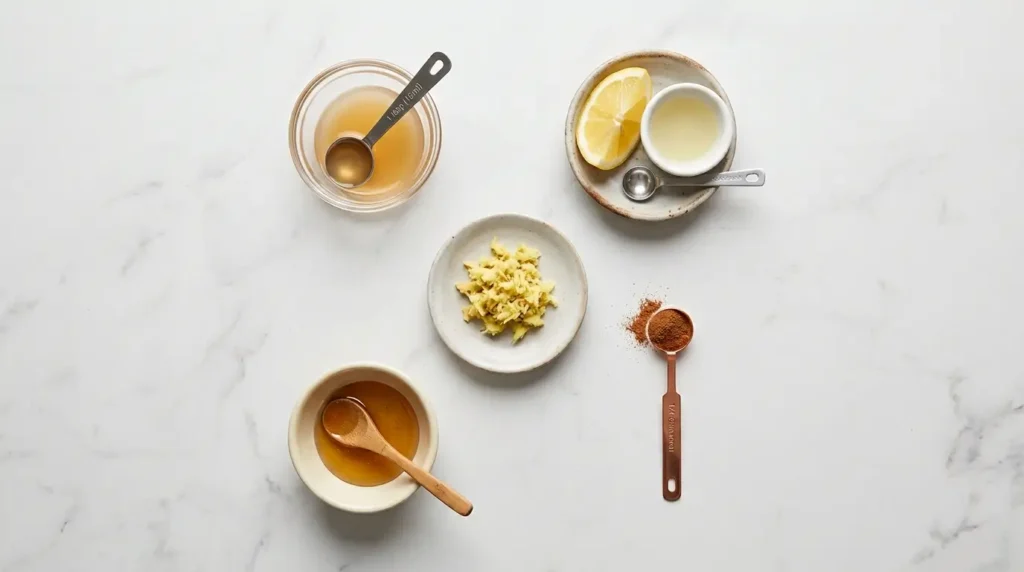
- 1 cup (240 ml) warm water
- 1 tablespoon (15 ml) raw apple cider vinegar
- Juice of ½ lemon (about 1 tablespoon)
- ½ teaspoon freshly grated ginger
- ¼ teaspoon ground cinnamon (optional)
- 1 teaspoon honey, to taste (optional)
Steps
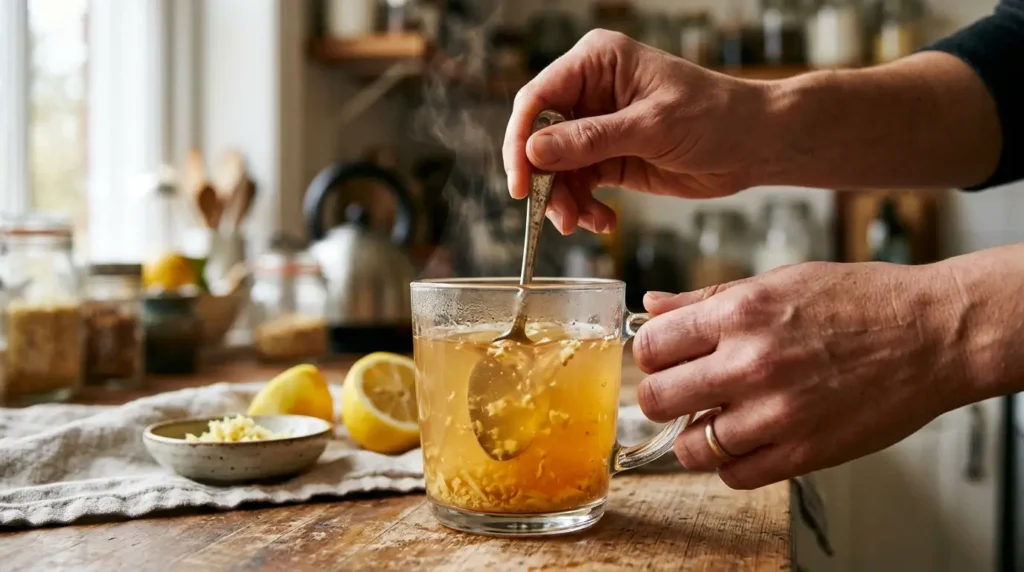
- Warm the water until it’s comfortably hot to drink — not boiling, which can dull the ginger’s flavor.
- Stir in the apple cider vinegar and lemon juice.
- Add the grated ginger and cinnamon, if using, and stir until evenly combined.
- Sweeten with honey to taste, if desired.
- Drink within 15–20 minutes before a meal, or any time you’d reach for a low-calorie sipper.
Color-changing variation: Steep 1 teaspoon dried butterfly pea flowers in ¼ cup hot water for 5 minutes, strain, and stir in before the lemon juice — the acid will shift it from blue toward purple. It’s purely visual; it doesn’t add metabolic benefit.
Pitcher version: Multiply by 4, mix in a 1-quart pitcher, and keep refrigerated for up to 3 days. Shake before serving, since the ginger settles.
PrintBrazilian Mounjaro Drink

A 3-minute apple cider vinegar, lemon, and ginger tonic — the honestly-framed version of TikTok’s “Brazilian Mounjaro” drink. Pleasant and low-calorie, but not a natural substitute for the weight-loss drug it’s nicknamed after.
- Prep Time: 3 minutes
- Cook Time: 0 minutes
- Total Time: 3 minutes
- Yield: 1 serving 1x
- Category: Drinks
- Method: No-Cook
- Cuisine: American
- Diet: Vegetarian
Ingredients
- 1 cup (240ml) warm water
- 1 tablespoon (15ml) raw apple cider vinegar
- Juice of ½ lemon (about 1 tablespoon)
- ½ teaspoon freshly grated ginger
- ¼ teaspoon ground cinnamon (optional)
- 1 teaspoon honey, to taste (optional)
Instructions
- Warm the water until it’s comfortably hot to drink — not boiling, which can dull the ginger’s flavor.
- Stir in the apple cider vinegar and lemon juice.
- Add the grated ginger and cinnamon, if using, and stir until evenly combined.
- Sweeten with honey to taste, if desired.
- Drink within 15–20 minutes before a meal, or any time you’d reach for a low-calorie sipper.
Notes
Color-changing variation: Steep 1 teaspoon dried butterfly pea flowers in ¼ cup hot water for 5 minutes, strain, and stir in before the lemon juice for a blue-to-purple shift. Purely visual — no added metabolic benefit.
Pitcher version: Multiply by 4, mix in a 1-quart pitcher, and refrigerate up to 3 days. Shake before serving, since the ginger settles.
Safety: Always dilute the vinegar as written — undiluted ACV can erode tooth enamel and irritate your throat. If you have GERD or acid reflux, start with a smaller amount. ACV may interact with insulin, other diabetes medications, or diuretics, so check with your doctor if you’re on any of those. This drink is not a substitute for a prescribed GLP-1 medication.
Nutrition
- Serving Size: 1 drink (240ml)
- Calories: 30
- Sugar: 6g
- Sodium: 5mg
- Fat: 0g
- Saturated Fat: 0g
- Unsaturated Fat: 0g
- Trans Fat: 0g
- Carbohydrates: 8g
- Fiber: 0g
- Protein: 0g
- Cholesterol: 0mg
Safety Notes
Undiluted apple cider vinegar is acidic enough to erode tooth enamel and irritate your throat or esophagus over time — always dilute it the way this recipe does, and consider drinking through a straw. If you have acid reflux or a history of GERD, the acidity here may aggravate symptoms; start small and see how you feel. ACV can also interact with certain medications, including insulin, other diabetes medications, and diuretics, so if you’re on any of those, check with your doctor before making this a daily habit. High doses of ginger can have a mild blood-thinning effect, which matters if you’re on anticoagulants. And if you’re already on a prescribed GLP-1 medication, this drink isn’t something to layer on or substitute in without talking to the doctor managing that treatment.
FAQ
No. The name is a TikTok nickname, not a medical or pharmacological connection. The drink and the drug work through completely different mechanisms.
Possibly a small amount over time, mostly from displacing higher-calorie drinks and from the modest fullness effect — not from any direct fat-burning action. It’s a supporting habit, not a primary weight-loss method.
Most people tolerate it fine as a daily habit if it’s diluted as written here. If you notice tooth sensitivity, reflux, or stomach irritation, scale back to a few times a week.
Color and antioxidants — it’s a nice touch, not a functional upgrade for weight loss.
Both are popular TikTok variations on the same idea. Green tea brings its own modest, well-studied metabolism-related compounds — different mechanism, similar “small effect, not magic” honest take.
The Takeaway
This is a genuinely pleasant, low-calorie drink with one ingredient — apple cider vinegar — that has some real, modest evidence behind it, wrapped in a name that promises far more than it delivers. Make it, dilute it properly, and treat it as a portion-control habit rather than a stand-in for medical weight-loss treatment. If you’re curious how it stacks up against the other TikTok trends, our full honest roundup of viral weight-loss drinks ranks them side by side — and if appetite suppression is something you actually need help with, that’s a conversation worth having with a doctor, not a vinegar tonic.