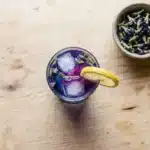
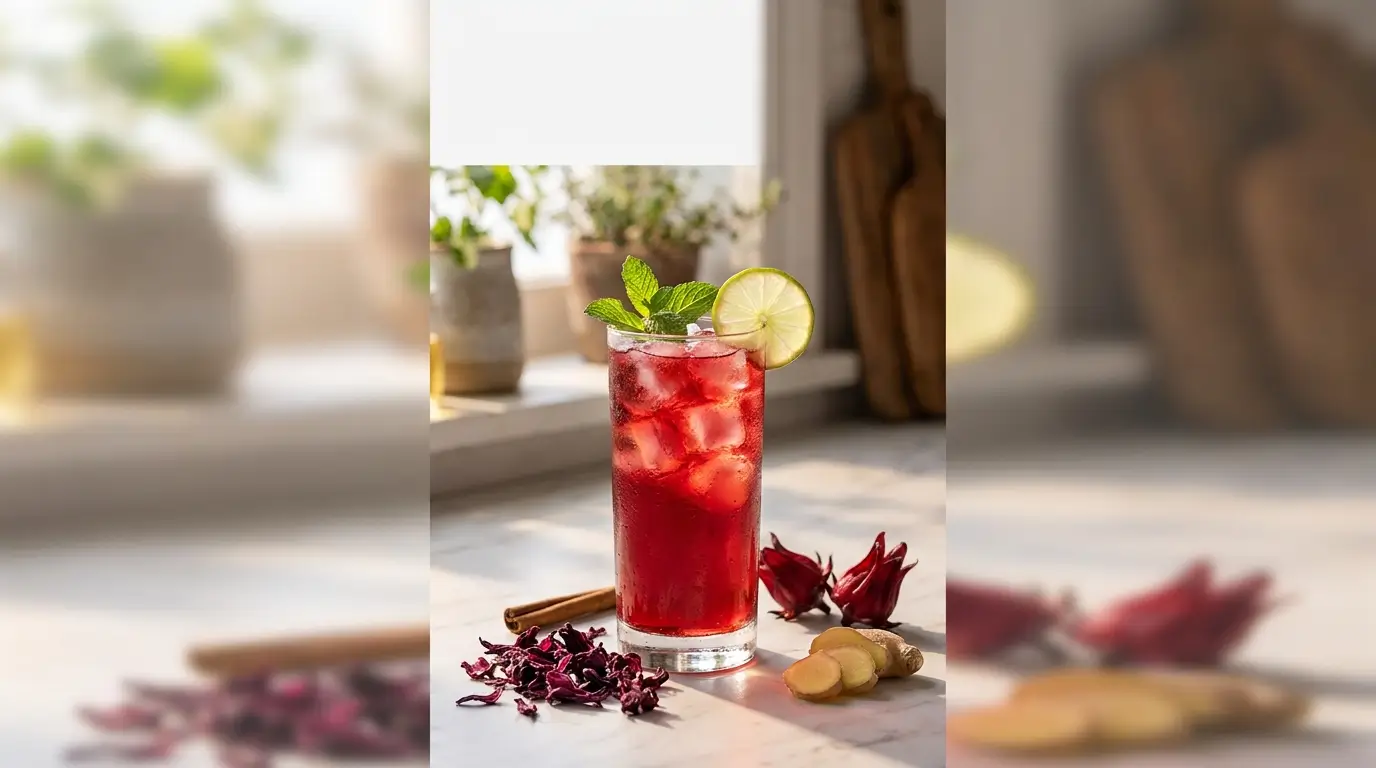
If you’ve been scrolling TikTok lately, you’ve almost certainly seen someone pouring a deep, ruby-red iced tea into a glass and calling it pipi hibiscus tea (or just “pipi tea”). The cup looks like cranberry juice, the creator swears it lowered their blood pressure or beat their bloating, and a tea brand link sits in the comments. So what is pipi hibiscus tea, really? Is it a new ingredient, a viral hack, or a centuries-old drink with a new TikTok name?
Short answer: it’s mostly the third one. Pipi hibiscus tea is dried Hibiscus sabdariffa — the same flower that becomes Mexico’s agua de Jamaica, Jamaica’s Christmas sorrel drink, Egypt’s karkade, and West Africa’s bissap. The “pipi” name belongs to a specific brand riding the trend, but the drink itself has been brewed across the Caribbean and Latin America for generations.
This guide breaks down what pipi hibiscus tea actually is, where it comes from, what the research really says about its benefits, who should avoid it, and a simple 4-ingredient recipe so you can skip the $1-per-bag pricing and make a pitcher at home tonight.
What Is Pipi Hibiscus Tea?
Pipi hibiscus tea is a caffeine-free herbal infusion made from the dried calyces (the petal-like cup at the base of the flower) of the Hibiscus sabdariffa plant — also called roselle. When you steep these dried ruby-red calyces in hot or cold water, they release a tart, cranberry-like brew that’s naturally deep magenta-red. There’s no caffeine, no added sweetener, and no exotic compound — just one botanical that’s been brewed worldwide for centuries.
The name “Pipi Tea” comes from a U.S. tea brand (sold via its own site and on Amazon) that has been heavily promoted across TikTok and Instagram since late 2025. The product is organic, USDA-certified, single-ingredient hibiscus in tea-bag form. The brand is real and the tea is exactly what it claims to be — but the ingredient is identical to dozens of other quality hibiscus teas on the market. There is no proprietary blend, no secret extract, no unique cultivar. When people search “pipi hibiscus tea,” they’re usually asking one of two things:
- What is this drink the TikTok girlies keep posting? → It’s hibiscus tea.
- Should I buy that specific brand? → That’s a value question, not an ingredient question.
We’ll answer both honestly below.
Where Does Pipi Hibiscus Tea Come From? (The Real Caribbean & Latin American Roots)
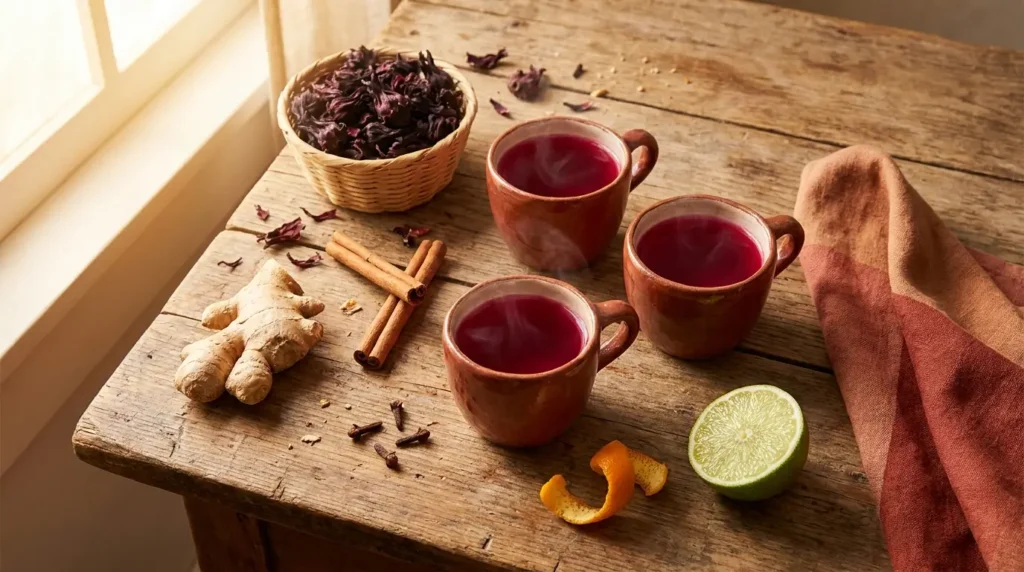
While the brand is new, the drink is anything but. Hibiscus sabdariffa is believed to have originated in West Africa and traveled the world through trade and migration. Today it’s a daily staple across at least four major culinary traditions:
- Jamaica & the Caribbean — “Sorrel”: In Jamaica, Trinidad, and across much of the English-speaking Caribbean, hibiscus tea is called sorrel and is a Christmas tradition. Calyces are simmered with fresh ginger, cinnamon, cloves, and orange peel, then sweetened and chilled. It’s poured over ice at family gatherings, sometimes laced with rum for adults. The drink is so iconic that Jamaican grocery stores stock dried sorrel calyces by the bagful every November.
- Mexico & Latin America — “Agua de Jamaica”: In Mexico, Guatemala, and across much of Latin America, the same flower becomes agua de Jamaica (pronounced “AH-gwah day ha-MY-ka”). It’s served chilled, lightly sweetened, sometimes with lime, and you’ll find it in every taquería alongside horchata and agua de tamarindo. The Spanish name comes from the Caribbean island, reflecting the trade routes that carried the plant across the Atlantic.
- Egypt & North Africa — “Karkade”: Egyptians have been drinking karkade (sometimes spelled karkadeh) for centuries — hot in winter, iced in summer. It’s said to have been a favorite of pharaohs and is still the unofficial national drink.
- West Africa — “Bissap” or “Zobo”: In Senegal it’s bissap; in Nigeria it’s zobo. Often infused with mint, pineapple, ginger, or cloves.
So when a tea brand puts dried Hibiscus sabdariffa in a tea bag and sells it as “pipi tea,” it is — strictly speaking — a packaged version of a drink that millions of Caribbean and Latin American families have been making from scratch for generations. That’s not a criticism of the brand; it’s useful context. It means the safety and benefits of pipi hibiscus tea are not a 2026 claim — they’re backed by centuries of culinary use plus a growing body of clinical research on the same plant.
What’s Actually in Pipi Hibiscus Tea?
A cup of pipi-style hibiscus tea contains essentially zero calories, zero caffeine, zero protein, and zero fat. What it does contain is a concentrated dose of plant compounds:
- Anthocyanins — the pigments that give the tea its ruby color. They’re a class of antioxidant flavonoids also found in blueberries, black currants, and red cabbage.
- Organic acids — primarily hibiscus acid, citric acid, and malic acid. These give the tea its characteristic tart, cranberry-like bite.
- Polyphenols and flavonoids — including quercetin and other compounds linked to cardiovascular and antioxidant activity.
- Vitamin C — naturally present in small amounts.
- Trace minerals — calcium, iron, magnesium, and potassium in modest quantities.
What’s not in it: caffeine, theobromine, added sugar, sweeteners, or any “active ingredient” beyond the hibiscus plant itself.
Science-Backed Benefits of Pipi Hibiscus Tea
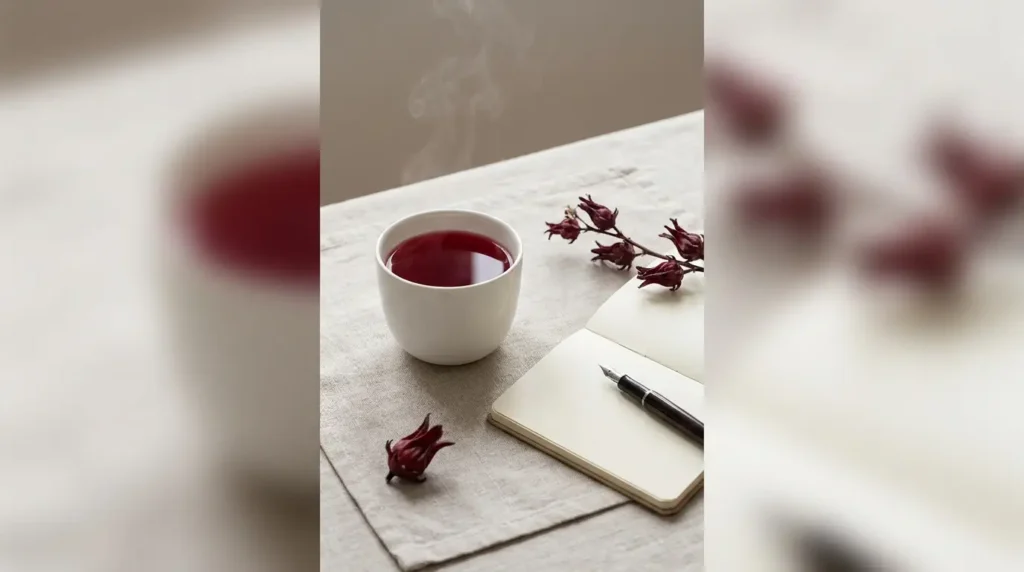
Because pipi hibiscus tea is 100% Hibiscus sabdariffa, every health benefit attributed to the brand is a benefit of the plant itself — and these are increasingly well-studied. A few highlights from peer-reviewed research:
May support healthy blood pressure
This is the most thoroughly studied benefit. A landmark randomized, double-blind, placebo-controlled trial from Tufts University and the USDA followed 65 prehypertensive and mildly hypertensive adults who drank 3 cups of hibiscus tea (or a placebo) daily for 6 weeks. The hibiscus group saw an average systolic blood pressure drop of 7.2 mmHg versus 1.3 mmHg in the placebo group (McKay et al., Journal of Nutrition, 2010). A later meta-analysis of five randomized controlled trials (390 participants total) confirmed the effect: systolic blood pressure dropped by an average of 7.58 mmHg and diastolic by 3.53 mmHg with regular hibiscus consumption (Serban et al., Journal of Hypertension, 2015). For a deeper dive into exactly how this works and how much to drink, see our full breakdown on hibiscus tea and blood pressure.
Antioxidant and anti-inflammatory activity
The anthocyanins and polyphenols in hibiscus give it strong free-radical-scavenging activity in laboratory studies. Antioxidants are associated with general protection against oxidative stress, which is implicated in everything from skin aging to chronic disease — though it’s important not to overstate what that means for any single individual drinking tea.
May support cholesterol and metabolic health
A 2020 meta-analysis of randomized clinical trials found that sour tea (Hibiscus sabdariffa) consumption modestly reduced fasting plasma glucose alongside its effects on blood pressure (Najafpour Boushehri et al., Phytotherapy Research, 2020). Other smaller trials suggest possible reductions in triglycerides and LDL cholesterol, though the evidence is less robust than for blood pressure.
Caffeine-free hydration
This sounds simple but matters: pipi hibiscus tea delivers flavor, color, and antioxidants with zero stimulants, making it a clean replacement for sugary sodas and an option people sensitive to caffeine can drink in the evening without disrupting sleep. Many drinkers use it specifically as a switch-out for afternoon coffee or evening wine.
A note on women-specific benefits
Some of the most-asked questions about pipi hibiscus tea come from women — around hormones, PCOS, period support, and skin. The evidence here is more nuanced (and more cautious, because hibiscus has hormonal and pregnancy considerations). We have a dedicated article that walks through the actual research on hibiscus tea benefits for women, including who should and shouldn’t drink it.
Important caveat (please read): None of these benefits mean pipi hibiscus tea treats, cures, or prevents any disease. The clinical effects are modest, take weeks of consistent daily intake to appear, and should never replace prescribed medication. If you’re being treated for hypertension, diabetes, or any chronic condition, talk to your doctor before adding daily hibiscus tea to your routine.
Side Effects and Who Should Avoid Pipi Hibiscus Tea
Hibiscus is widely considered safe for healthy adults at moderate intake (1–2 cups daily, occasionally 3). But it isn’t risk-free for everyone:
- People on blood pressure medication: Because hibiscus can lower BP, combining it daily with antihypertensives may compound the effect. Talk to your doctor.
- Pregnant or breastfeeding women: Hibiscus has shown emmenagogue and possible hormonal effects in animal studies. Most guidance is to avoid medicinal amounts during pregnancy. The Cleveland Clinic and most clinical sources recommend that pregnant women skip hibiscus tea entirely until more is known.
- People with low blood pressure or those prone to dizziness on standing.
- People taking certain medications — particularly chloroquine, acetaminophen at high doses, or some diabetes medications — where interactions have been studied or suggested.
- Iron absorption: Hibiscus may inhibit non-heme iron absorption when consumed with meals. If you’re anemic or supplementing iron, drink it between meals.
- Acid reflux: It’s an acidic tea. If reflux is a problem for you, dilute it or drink less.
This is why “more is not better.” Two cups a day, consistently, is the sweet spot supported by most of the clinical research.
How to Make Homemade Pipi-Style Hibiscus Tea (Recipe)
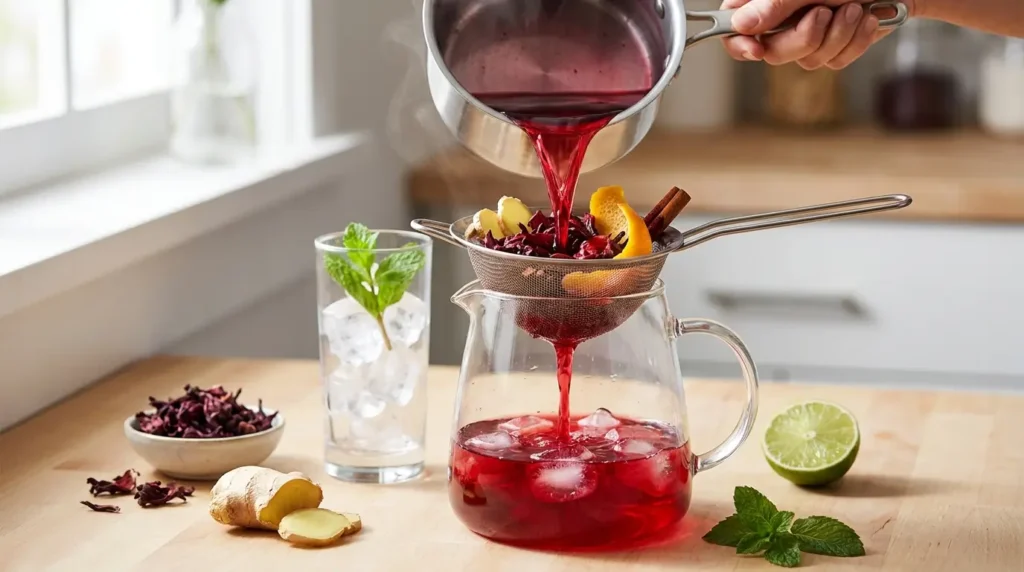
The good news: you don’t need to spend $25–$40 a month on branded tea bags to drink this. Loose dried hibiscus calyces are sold in bulk at Latin grocery stores, Caribbean markets, Middle Eastern shops, and online for a fraction of the price — and the brew tastes identical (and usually fresher) than any tea bag.
Here’s the simple version that matches the flavor profile of the trending TikTok cup, with a Caribbean-style ginger and citrus twist that bumps the taste from “fine” to genuinely delicious.
Recipe Card: Homemade Pipi-Style Hibiscus Tea
Yield: 4 servings (about 1 quart / 1 liter) Prep time: 2 minutes Cook time: 15 minutes Total time: 17 minutes + 1 hour to chill Calories per serving: ~10 (unsweetened) / ~40 with 1 tsp honey
Ingredients
- 1/4 cup (about 10 g) dried hibiscus calyces (Hibiscus sabdariffa) — loose or from 4 tea bags
- 4 cups filtered water
- 1 thumb-sized piece fresh ginger, thinly sliced (optional, but classic Caribbean sorrel-style)
- 1 cinnamon stick (optional)
- 1 strip of orange or lime peel (optional)
- 1–2 tsp honey, maple syrup, or stevia to taste (optional)
- Ice and fresh mint to serve
Instructions
- Bring water to a boil. Use filtered or spring water if possible — soft water makes a cleaner brew.
- Add hibiscus and aromatics. Remove from heat. Stir in the dried hibiscus, ginger, cinnamon stick, and citrus peel.
- Steep covered for 15 minutes. Longer is fine — hibiscus releases more color and flavor over time. For a stronger brew, steep up to 25 minutes.
- Strain. Pour through a fine-mesh strainer into a heatproof pitcher to remove the calyces and aromatics.
- Sweeten lightly (optional). Stir in honey or your preferred sweetener while the tea is still warm so it dissolves easily.
- Chill at least 1 hour. Hibiscus tea is exceptional both hot and iced, but the iced version is what’s trending.
- Serve over ice with a sprig of fresh mint and a lime wedge.
Tips & variations
- For Mexican-style agua de Jamaica, skip the ginger and cinnamon and add a squeeze of fresh lime and a touch more sweetener.
- For Jamaican Christmas sorrel, double the ginger, add 2 whole cloves, and steep overnight in the fridge.
- For a Pinterest-perfect “pink drink” version, mix half hibiscus tea with half cold coconut water and add fresh strawberries.
- Store leftover tea covered in the fridge for up to 4 days. The color may deepen — that’s normal.
Homemade Pipi-Style Hibiscus Tea
This homemade pipi-style hibiscus tea is the ruby-red TikTok-trending drink — made fresh in your own kitchen for a fraction of the price. Caffeine-free, naturally tart, and lightly spiced with Caribbean ginger and cinnamon, this is the same hibiscus drink known as sorrel in Jamaica and agua de Jamaica in Mexico. Steeped in 15 minutes, chilled, and poured over ice.
- Prep Time: 2 minutes
- Cook Time: 15 minutes
- Total Time: 17 minutes
- Yield: 4 servings (about 1 quart / 1 liter) 1x
- Category: Drinks
- Method: Steeping
- Cuisine: Caribbean
- Diet: Vegan
Ingredients
- 1/4 cup (about 10 g) dried hibiscus calyces (Hibiscus sabdariffa) — loose, or the contents of 4 tea bags
- 4 cups filtered water
- 1 thumb-sized piece fresh ginger, thinly sliced (optional, but classic Caribbean sorrel-style)
- 1 cinnamon stick (optional)
- 1 strip of orange or lime peel (optional)
- 1–2 tsp honey, maple syrup, or stevia, to taste (optional)
- Ice and fresh mint, to serve
Instructions
- Bring 4 cups of filtered water to a boil in a saucepan. Soft or filtered water gives the cleanest brew.
- Remove from heat. Stir in the dried hibiscus, sliced ginger, cinnamon stick, and citrus peel.
- Cover and steep for 15 minutes (up to 25 minutes for a stronger, deeper-colored brew).
- Strain through a fine-mesh strainer into a heatproof pitcher to remove the calyces and aromatics.
- Stir in honey, maple syrup, or stevia while the tea is still warm so it dissolves easily (optional).
- Chill in the refrigerator for at least 1 hour.
- Pour over ice in tall glasses and garnish with fresh mint and a lime wedge.
Notes
- For Mexican-style agua de Jamaica: skip the ginger and cinnamon and add fresh lime juice plus a touch more sweetener.
- For Jamaican Christmas sorrel: double the ginger, add 2 whole cloves, and steep overnight in the fridge.
- For a Pinterest-perfect pink-drink version: mix half hibiscus tea with half cold coconut water and add fresh strawberries.
- Store covered in the refrigerator for up to 4 days. The color may deepen over time — that is normal.
- Safety: Hibiscus tea may interact with blood pressure medication and is generally not recommended during pregnancy or breastfeeding. Talk to your doctor if you have a chronic condition or take prescription medication.
Nutrition
- Serving Size: 1 cup (240 ml)
- Calories: 10
- Sugar: 1g
- Sodium: 5mg
- Fat: 0g
- Saturated Fat: 0g
- Unsaturated Fat: 0g
- Trans Fat: 0g
- Carbohydrates: 2g
- Fiber: 0g
- Protein: 0g
- Cholesterol: 0mg
Where to Buy Pipi Hibiscus Tea (And What to Buy Instead)
If you want the actual PiPi Tea brand from TikTok, it’s sold on the company’s website and on Amazon in 30-bag boxes of organic Hibiscus sabdariffa. The product is legitimate, USDA Organic certified, and tested for contaminants. If you like the convenience of a tea bag and want to support a smaller brand, it’s a reasonable buy.
That said, you have other excellent options for the same drink, often at a lower price per cup:
- Loose dried hibiscus calyces from a Latin grocery, Middle Eastern market, or bulk retailer (look for “flor de Jamaica” in Spanish stores). This is the cheapest, freshest, and most flexible option.
- Other organic hibiscus tea bag brands — Traditional Medicinals, Tazo Passion, Yogi, Frontier Co-op, Heavenly Tea Leaves, and many others sell single-ingredient organic hibiscus tea bags at a similar or lower cost.
- Sorrel calyces from a Caribbean market in November and December — often the freshest you’ll find all year, sold by the pound.
The key things to check on any brand: USDA Organic certification, freshness (a recent best-by date), and ideally testing for heavy metals. Hibiscus, like all plants grown in soil, can pick up contaminants — quality sourcing matters more than brand prestige.
How and When to Drink Pipi Hibiscus Tea for Best Results
For the cardiovascular benefits documented in clinical trials, the pattern that works is consistency, not megadosing. Aim for 1 to 2 cups per day, every day, for at least 4–6 weeks before expecting any measurable effect. Blood pressure responders in the Tufts trial drank 3 cups daily; for most healthy adults, 1–2 cups is the practical sweet spot for daily life.
Timing-wise, hibiscus is caffeine-free, so you can technically drink it morning, afternoon, or evening. But there are smart reasons to favor certain windows depending on your goals (appetite, sleep, blood pressure timing, iron absorption). We break this down in detail in our guide on the best time to drink hibiscus tea, but the general guidance is: between meals for cardiovascular goals, and a couple of hours before bed if you want a calming wind-down drink.
For a complete walkthrough of hibiscus tea — every benefit, every brewing method, every common question — see our full hibiscus tea complete guide.
Frequently Asked Questions
Yes. “Pipi Tea” is a brand name. The product is 100% Hibiscus sabdariffa, the same plant used in agua de Jamaica, sorrel, karkade, and bissap. There is no proprietary ingredient or special process that makes it different from other quality organic hibiscus teas. The “pipi hibiscus tea” search trend is essentially a brand-awareness wave, not a new type of tea.
Hibiscus tea is naturally calorie-free, caffeine-free, and replaces sugary drinks well, which can support weight management indirectly. Small clinical trials have also shown modest reductions in body weight and BMI with hibiscus extract supplementation. But hibiscus tea is not a fat-burner, will not cause significant weight loss on its own, and works only as part of a calorie-controlled diet.
No. Pipi hibiscus tea contains zero caffeine. It’s an herbal tisane made from a flower, not from the Camellia sinensis (true tea) plant. This is why it’s safe to drink in the evening and why people sensitive to caffeine often switch to it.
The clinical trials showing blood pressure reductions used 6 weeks of daily consumption (2–3 cups per day). General hydration and flavor benefits are immediate, but cardiovascular and metabolic effects, if they happen for you, typically need at least a month of consistent intake to appear.
For most healthy adults, yes — 1 to 2 cups per day is well-tolerated and is the range most clinical research has tested. People who are pregnant, breastfeeding, on blood pressure medication, on chloroquine, or who have very low blood pressure should consult a healthcare provider first.
The Bottom Line on Pipi Hibiscus Tea
Pipi hibiscus tea is, at heart, a TikTok-era rebrand of one of the most-consumed botanical drinks on the planet. The brand is real; the tea is real; the ingredient — Hibiscus sabdariffa — is centuries old, well-researched, and culturally rooted from Egypt to Mexico to Jamaica. The benefits are modest but genuinely backed by clinical trials, especially for blood pressure. The risks are small for most healthy adults but matter for a few specific groups (pregnant women, people on certain medications). And you absolutely do not need to buy the trending brand to get the benefit — a $5 bag of dried hibiscus from a Latin market will brew you the exact same tea your great-grandmother probably grew up drinking.
If you’ve been curious about the cup in every TikTok For You feed, brew the recipe above tonight. Drink one mug today and another tomorrow. That’s the actual viral hack — the one that’s been working for centuries.
This article was written by the DrinkFitLab editorial team and reviewed for accuracy by our registered dietitian advisor. It is for informational purposes only and is not medical advice. Consult your healthcare provider before adding hibiscus tea to your routine if you are pregnant, breastfeeding, taking blood pressure or diabetes medication, or managing a chronic health condition.