
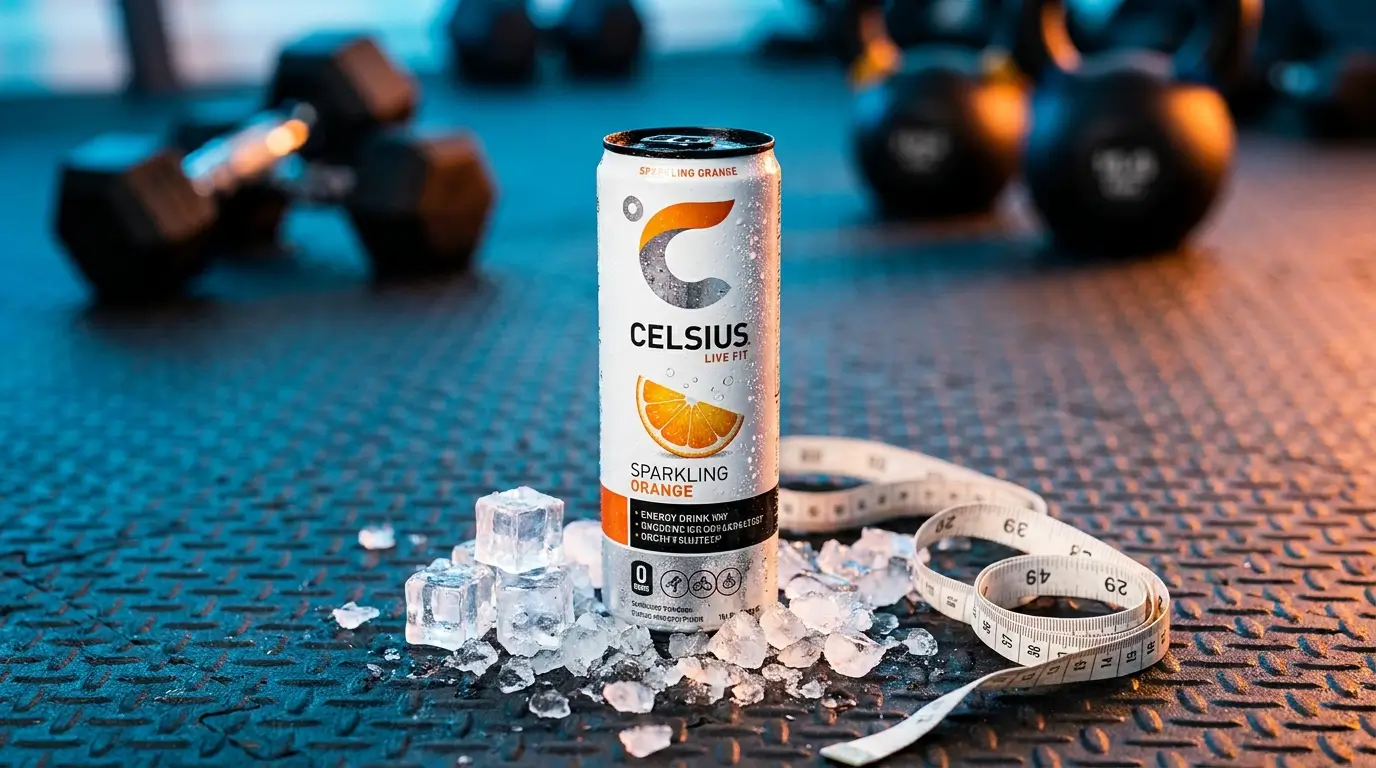
If you’ve spent any time in the gym lately, you’ve probably noticed a sea of bright Celsius cans lining the coolers. The brand markets itself not just as an energy drink but as a fitness drink that helps you burn more calories — a claim bold enough to make anyone pause and ask: is Celsius actually good for weight loss, or is this just clever marketing?
The short answer is nuanced. Celsius contains several ingredients that have real, peer-reviewed research behind them for modest metabolic effects. But “real research” and “you’ll lose weight drinking this” are two very different statements. This in-depth review breaks down every active ingredient, walks you through what the science actually supports, covers the side effects you need to know about, and tells you exactly who should — and who absolutely should not — be reaching for a can.
What Is Celsius, Exactly?
Celsius is a carbonated functional energy drink developed by Celsius Holdings, Inc. It’s positioned in the market as a “thermogenic” beverage — meaning it claims to raise your body’s core temperature slightly, which in theory increases calorie burn. The standard line comes in 12 fl oz cans with about 10 calories and no added sugar. There are also stronger variants (Celsius Heat at 300mg caffeine) and powdered Celsius On-The-Go sticks.
The brand received enormous mainstream attention after a partnership with PepsiCo in 2022 put it in gyms, grocery stores, and convenience chains nationwide. As of 2026, it remains one of the top three best-selling energy drinks in the U.S. That popularity, however, doesn’t automatically mean it delivers on its weight-loss promises.
Celsius Nutrition Facts at a Glance
Before diving into the ingredients, here’s what a standard 12 fl oz can of Celsius Original contains:
| Nutrient | Amount |
|---|---|
| Calories | 10 |
| Total Fat | 0g |
| Sodium | 0–10mg |
| Total Carbohydrate | 2g |
| Total Sugars | 0g |
| Protein | 0g |
| Caffeine | 200mg |
| Vitamin C | 60mg (67% DV) |
| Riboflavin (B2) | 1.7mg (131% DV) |
| Niacin (B3) | 20mg (125% DV) |
| Vitamin B6 | 2mg (118% DV) |
| Vitamin B12 | 6mcg (250% DV) |
| Biotin | 300mcg (1000% DV) |
| Pantothenic Acid | 10mg (200% DV) |
| Calcium | 50mg (4% DV) |
| Chromium | 50mcg (143% DV) |
The MetaPlus® Proprietary Blend (1.81g total) contains: taurine, guarana seed extract, green tea leaf extract (standardized to EGCG), ginger root extract, and vitamin C.
At 10 calories per can, Celsius is essentially a zero-calorie beverage. That alone can modestly support a weight-loss plan simply by replacing higher-calorie drinks in your routine.
Ingredient-by-Ingredient Breakdown

This is where the real evaluation happens. Here’s what each key ingredient does, what the science says, and how much of the effect is real versus hype.
1. Caffeine (200mg)
This is the heavyweight of the formula — and the most researched thermogenic compound on Earth.
How it works: Caffeine stimulates the central nervous system, triggers the release of epinephrine (adrenaline), and increases the rate at which your body burns fat through a process called lipolysis. It also raises resting metabolic rate (RMR).
What the research shows: A well-cited meta-analysis published in Obesity Reviews found that caffeine consumption is associated with a 3–11% increase in metabolic rate in the short term, with the effect size depending on dose and the individual’s caffeine tolerance. In real-world calorie terms, 200mg of caffeine may account for approximately 50–100 extra calories burned per day in caffeine-naive individuals.
The tolerance problem: Here’s the catch — your body adapts. Regular caffeine consumers develop tolerance within days to weeks, which significantly blunts the thermogenic effect. If you’re already drinking coffee every morning, the 200mg in Celsius is unlikely to meaningfully change your metabolism.
The 200mg context: The FDA considers 400mg per day as the upper safe limit for healthy adults. At 200mg per can, a single Celsius sits right at the halfway point. That’s roughly equivalent to two 8-oz cups of brewed coffee.
2. Green Tea Leaf Extract (Standardized to EGCG)
Green tea extract — specifically the catechin called epigallocatechin gallate (EGCG) — is arguably the most evidence-backed thermogenic compound in Celsius after caffeine.
How it works: EGCG inhibits an enzyme (catechol-O-methyltransferase, or COMT) that normally breaks down norepinephrine. By keeping norepinephrine active longer, EGCG extends the fat-burning signal in fat cells. It works synergistically with caffeine, which is why most thermogenic formulas combine both.
What the research shows: A systematic review in the International Journal of Obesity found that green tea catechins combined with caffeine increased 24-hour energy expenditure by approximately 4–5% above caffeine alone. Another study found a meaningful reduction in waist circumference over 12 weeks in participants consuming green tea extract daily.
The caveat: Most of the studies use isolated EGCG doses of 270–600mg. The amount of EGCG inside Celsius’s proprietary blend is undisclosed, and because the entire MetaPlus® blend weighs only 1.81g total (shared across taurine, guarana, green tea, and ginger), it’s unlikely the EGCG dose matches the levels used in those studies.
3. Guarana Seed Extract
Guarana is a plant from the Amazon basin whose seeds contain roughly twice the caffeine concentration of coffee beans by weight. It’s essentially a secondary caffeine source in Celsius’s formula.
How it works: The caffeine in guarana is released more slowly than anhydrous (instant) caffeine, due to the presence of tannins in the seed. This may create a more sustained energy curve with less of a sharp spike-and-crash pattern.
What the research shows: A 2019 review in Nutrients noted that guarana’s caffeine content is primarily responsible for its stimulant and modest thermogenic effects. There isn’t strong human data showing guarana delivers weight-loss effects beyond what its caffeine content alone would explain.
Bottom line: Guarana adds to the caffeine load in Celsius. Combined with the 200mg listed on the label, the total stimulant burden may be meaningfully higher than what the label suggests — a consideration for caffeine-sensitive individuals.
4. Ginger Root Extract
Ginger is the most overlooked ingredient in this formula — and it earns its place.
How it works: Gingerols and shogaols (the bioactive compounds in ginger) have been shown to stimulate the production of heat in adipose tissue (brown fat thermogenesis), reduce subjective hunger, and slow gastric emptying, which means food stays in your stomach longer and you feel full longer.
What the research shows: A 2012 study published in Metabolism found that men who consumed ginger powder dissolved in hot water after a meal reported significantly higher satiety and lower hunger ratings than controls. A 2019 meta-analysis in Critical Reviews in Food Science and Nutrition concluded that ginger supplementation was associated with small but significant reductions in body weight and waist-to-hip ratio.
The effect is real but modest — and the dose in Celsius’s proprietary blend is again undisclosed. Therapeutic ginger studies typically use 1–3 grams of ginger daily. Whether Celsius delivers anywhere near that is unknown.
5. B Vitamins (B2, B3, B6, B12, Biotin, Pantothenic Acid)
Celsius is loaded with B vitamins at doses well above the daily value. The marketing implication is that these support metabolism — which is technically accurate, but frequently misunderstood.
The honest context: B vitamins are co-factors in metabolic pathways. They help enzymes do their jobs in breaking down carbohydrates, fats, and protein for energy. If you’re deficient in B vitamins, supplementing will restore normal metabolic function. But if you’re already getting enough from diet (which most people eating a varied diet in the U.S. are), taking extra B vitamins does not speed up metabolism further. You simply excrete the excess in urine — which is why your urine turns bright yellow after drinking Celsius.
Who this genuinely helps: People on restrictive diets, vegans (who may be low in B12), or those with absorption issues may see real energy benefits. For everyone else, the B vitamins in Celsius are more marketing than mechanism.
6. Chromium (50mcg)
Chromium is a trace mineral included in Celsius at 143% of the Daily Value.
How it works (in theory): Chromium may improve insulin sensitivity, helping cells use blood glucose more efficiently. This could theoretically reduce cravings for high-glycemic foods and support blood sugar stability.
What the research shows: The evidence is mixed. A review in Diabetes Technology & Therapeutics found modest improvements in fasting blood glucose with chromium supplementation in people with type 2 diabetes, but effects in healthy individuals were inconsistent and generally not clinically meaningful.
Bottom line: Chromium is a minor player in the Celsius formula. Its presence is unlikely to drive meaningful weight-loss outcomes on its own.
7. Taurine
Taurine is an amino acid abundant in the body and commonly included in energy drinks.
How it works: Taurine has antioxidant and anti-inflammatory properties. In energy drink research, it’s often studied in combination with caffeine, where it appears to slightly modulate the cardiovascular effects of caffeine (heart rate, blood pressure) rather than enhance thermogenesis directly.
Weight loss relevance: Taurine’s direct impact on fat loss is minimal. Its main contribution to the Celsius formula is likely reducing the harshness of the caffeine experience and supporting cardiovascular tolerance.
What Celsius’s Own Research Shows
Celsius has funded several studies, and it’s important to understand what that means for interpreting results.
The most frequently cited study (published in the Journal of the International Society of Sports Nutrition, 2010) found that participants who consumed Celsius burned approximately 100 more calories over a 3-hour resting period compared to a placebo. That’s the equivalent of a 10-minute jog — real, but modest.
Important caveats:
- The study was industry-funded, which introduces potential bias.
- It used a small sample (12 participants).
- The 100-calorie figure was for resting metabolic rate — participants weren’t exercising. During exercise, Celsius may increase calorie burn modestly, but the baseline effect is already baked in.
- The effect is likely larger in caffeine-naive individuals and smaller (or absent) in regular coffee drinkers.
This is not a condemnation of the research — it’s real data — but it should be contextualized. 100 extra calories a day, sustained over a year, could theoretically contribute to weight loss. In reality, the thermogenic effect diminishes with regular use, and many users compensate by eating slightly more after the energy boost.
Does Celsius Actually Help With Weight Loss?
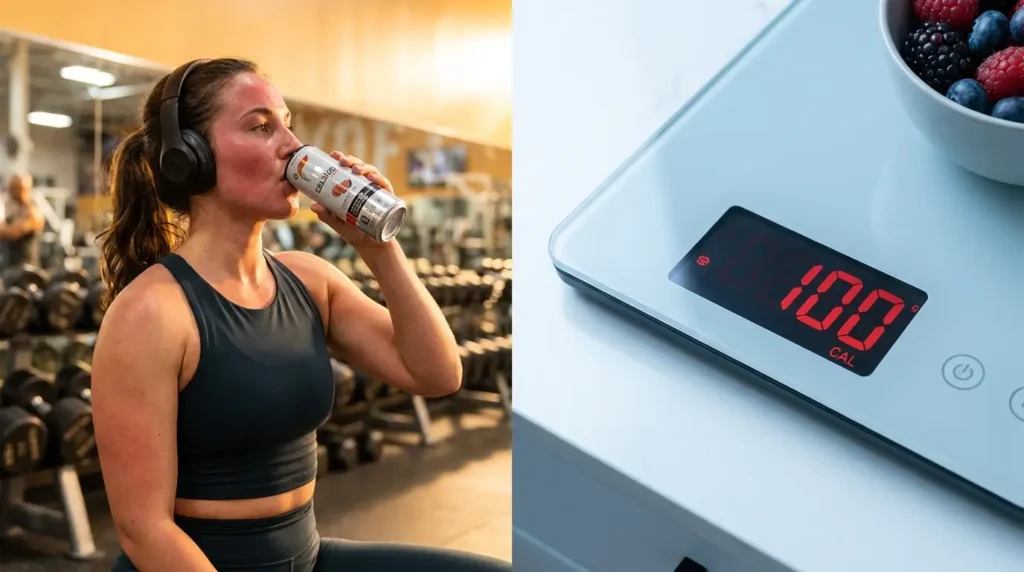
The honest, evidence-based answer: Celsius may marginally support weight loss as part of a structured diet and exercise program, but it is not a weight-loss solution on its own.
Here’s the framework:
It CAN help if:
- You’re replacing a high-calorie drink (a sweetened latte, a sugary soda, a juice) with Celsius — the calorie trade-off alone produces a real deficit.
- You’re caffeine-naive or low-tolerance — the thermogenic effect will be more noticeable.
- You use it as a pre-workout to train harder and longer — the caffeine genuinely improves athletic performance, and burning more calories during exercise is the most reliable way Celsius contributes to weight loss.
- You’re following a caloric deficit and need help with energy and focus while eating less.
It will NOT help if:
- You treat it as a replacement for diet change — you can’t drink your way thin.
- You already consume 2–4 cups of coffee daily — the thermogenic effect will be largely blunted by existing tolerance.
- You overeat to compensate for the energy boost — a common unconscious behavior.
- You’re relying on Celsius instead of building sustainable habits.
The most reliable path to weight loss remains a consistent caloric deficit, adequate protein intake, and regular physical activity. If you’re looking for other evidence-based beverages that genuinely complement weight loss, see our guide to the best morning drinks for weight loss — several of which have stronger satiety and metabolic data than energy drinks.
How Celsius Compares to Other Energy Drinks for Weight Loss
| Drink | Calories | Caffeine | Thermogenic Ingredients | Sugar |
|---|---|---|---|---|
| Celsius Original | 10 | 200mg | EGCG, guarana, ginger, chromium | 0g |
| Celsius Heat | 15 | 300mg | Same as above + L-Citrulline | 0g |
| Red Bull | 110 | 80mg | None specific | 27g |
| Monster Original | 210 | 160mg | Taurine, B vitamins | 54g |
| Bang Energy | 0 | 300mg | BCAA, CoQ10 | 0g |
| Alani Nu | 10 | 200mg | None specific thermogenics | 0g |
| Ghost Energy | 5 | 200mg | ACV, NeuroFactor | 0g |
From a strict calorie standpoint, Celsius competes well. The meaningful differentiator between Celsius and most competitors is the green tea extract and ginger combination — ingredients with actual thermogenic research. Bang Energy, despite matching Celsius on caffeine, lacks thermogenic-specific compounds. Red Bull and Monster Original both carry substantial sugar loads that make them poor choices for weight management.
If weight loss is your priority, Celsius is among the better-positioned energy drinks in the market — but that’s a low bar given how poor the category performs overall for this goal.
Side Effects of Celsius: What You Need to Know
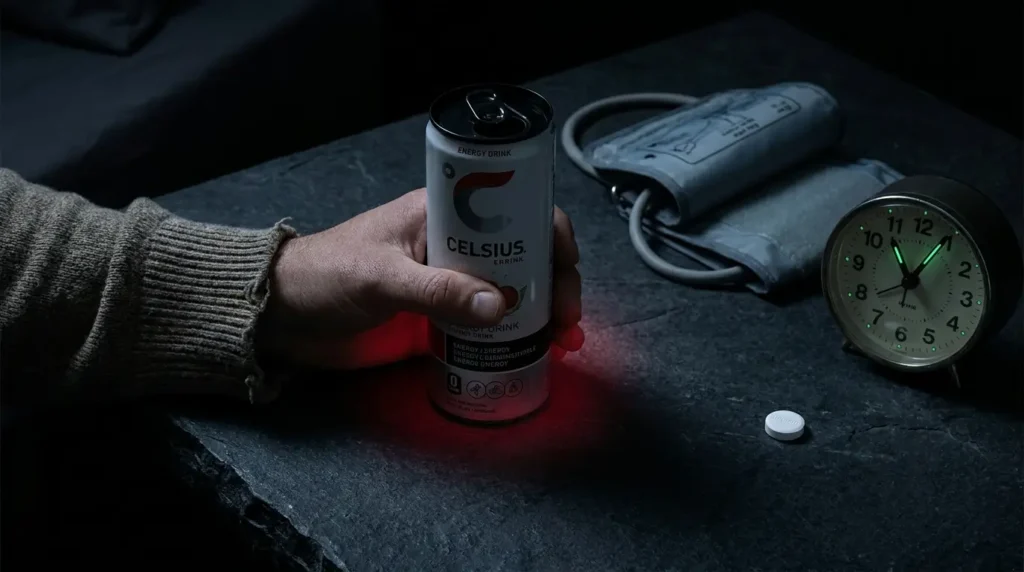
This is arguably the most important section for your health. Celsius is not inherently dangerous for healthy adults, but it is not appropriate for everyone.
Documented and likely side effects include:
Jitteriness and anxiety. 200mg of caffeine is a significant dose. Combined with guarana, the effective caffeine load may be higher. Anxiety, restlessness, and jitteriness are common — especially in those with existing anxiety disorders or low caffeine tolerance.
Elevated heart rate and blood pressure. Stimulants temporarily raise both. A 2021 review in JAMA found that energy drinks with >200mg caffeine were associated with acute increases in systolic blood pressure. People with hypertension or heart arrhythmias should treat this as a hard contraindication.
Digestive discomfort. Green tea extract on an empty stomach is a well-known trigger for nausea and stomach upset. Ginger partially offsets this, but starting with a full stomach is advisable.
Sleep disruption. With a 5–6 hour caffeine half-life, drinking a Celsius at 3:00 PM means roughly 100mg of caffeine is still circulating at 9:00 PM. Poor sleep is one of the strongest independent risk factors for weight gain — a particularly bitter irony if you’re drinking Celsius for weight loss.
Dependence and withdrawal. Regular use leads to physical caffeine dependence. Missing a dose results in headaches, fatigue, and irritability — symptoms that can make it difficult to distinguish between “I need Celsius to function” and “this is helping me lose weight.”
Liver concerns (high-dose EGCG): The European Food Safety Authority has flagged green tea extract supplements at doses above 800mg EGCG per day as potentially hepatotoxic (liver-stressing). The EGCG content in a single Celsius can is almost certainly below this threshold — but individuals consuming multiple cans daily plus green tea supplements should be cautious.
Who Should and Shouldn’t Drink Celsius
✅ Celsius May Be Appropriate For:
- Healthy adults (18+) with no cardiovascular conditions
- Regular gym-goers using it as a pre-workout 30–45 minutes before training
- People cutting out high-calorie drinks who want a flavorful, low-calorie substitute
- Intermittent fasters needing an appetite suppressant and energy boost in the morning window (without breaking a fast, as 10 calories is generally considered negligible)
- Those who are caffeine-naive who will experience the most pronounced thermogenic effect
❌ Celsius Is NOT Appropriate For:
- Pregnant or breastfeeding women — the 200mg caffeine per can exceeds the 200mg/day limit recommended by ACOG (American College of Obstetricians and Gynecologists)
- People under 18 — adolescents are more sensitive to caffeine’s cardiovascular and neurological effects
- Anyone with a heart condition, arrhythmia, or hypertension — the stimulant load is significant
- People with anxiety disorders — high-dose caffeine is a reliable anxiety trigger
- Those with caffeine sensitivity — symptoms like rapid heartbeat, panic, or severe jitteriness are genuine warning signs
- People taking MAOIs or stimulant medications — caffeine interactions can be dangerous
- Those with liver conditions — given the undisclosed EGCG load, caution is warranted
How to Use Celsius Strategically (If You Choose To)
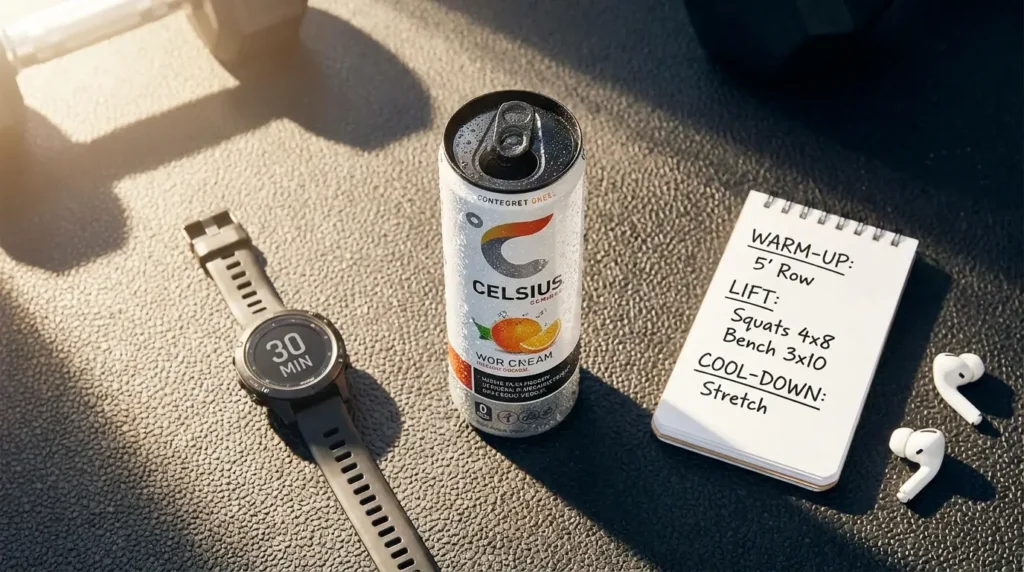
If you decide Celsius is right for you, here’s how to get the most from it while minimizing downsides:
Time it before exercise. The best-documented benefit of caffeine + EGCG is enhanced athletic performance and fat oxidation during moderate-intensity aerobic exercise. Drink it 30–45 minutes before a workout session.
Don’t drink it after 2:00 PM. Protecting sleep quality is non-negotiable for weight management. The hormones cortisol, ghrelin, and leptin — which regulate hunger and fat storage — are heavily influenced by sleep quality. A caffeinated drink in the afternoon regularly sabotages weight loss goals.
Cap it at one can per day. Two cans = 400mg caffeine, which is the FDA’s upper limit for healthy adults. Factor in coffee, tea, or pre-workout powders you may also consume.
Drink it with or after food. Green tea extract on an empty stomach frequently causes nausea. A small snack before your Celsius can prevent this and slow caffeine absorption for a smoother energy curve.
Don’t use it to compensate for a poor diet. The 100-calorie thermogenic bump is erased by a single handful of almonds you snack on because the energy boost made you hungrier. Pair it with a structured eating plan — our roundup of the best drinks for weight loss covers how various drinks fit into a complete weight management strategy.
Celsius vs. Natural Thermogenic Alternatives
For those who want thermogenic support without the high caffeine load, a few natural drink options have solid research:
Oatzempic-style drinks: The trending oat-and-lemon combination has generated buzz for appetite suppression — primarily from beta-glucan fiber’s effect on ghrelin and blood sugar. See our full oatzempic recipe and dietitian breakdown for a realistic assessment.
Green tea brewed fresh: A standard cup of brewed green tea provides 30–50mg of caffeine and meaningful EGCG. Drinking 3–4 cups daily delivers a cumulative EGCG dose that matches many clinical studies — without the proprietary blend markup.
Protein-based functional drinks: High-protein beverages are arguably better weight-loss support tools than thermogenic energy drinks. The thermic effect of protein (TEF) — the calories your body burns just digesting it — is 25–30% of protein’s calorie content, significantly higher than carbohydrates (6–8%) or fat (2–3%). Check our guide to the best protein drinks for weight loss for reviewed options.
The Bottom Line: Is Celsius Good for Weight Loss?

Celsius is not magic, but it’s not snake oil either. Here’s the objective summary:
What Celsius genuinely does:
- Delivers a real thermogenic boost via caffeine + EGCG that may burn 50–100 extra calories per day in caffeine-naive individuals
- Provides a low-calorie, zero-sugar alternative to high-calorie beverages
- Enhances athletic performance and fat oxidation during exercise via caffeine
- Contains some evidence-backed ingredients (caffeine, EGCG, ginger) in a convenient format
What Celsius does NOT do:
- Replace a caloric deficit
- Work magic for habitual coffee drinkers
- Sustain thermogenic effects long-term without tolerance breaks
- Make a meaningful difference without diet and exercise changes
The verdict: If you’re an otherwise healthy adult who doesn’t already consume substantial caffeine, uses Celsius specifically to enhance workout performance, and is operating within a structured diet and exercise plan — Celsius is a reasonable, low-calorie tool. If you’re looking for a drink to passively accelerate fat loss, the evidence doesn’t support that expectation.
Weight loss, ultimately, is won in the kitchen and the gym — not the cooler at the gas station.
Frequently Asked Questions
One can per day is the appropriate maximum for most healthy adults. The thermogenic benefit doesn’t scale linearly with more cans — you’re adding caffeine risk without proportionally more metabolic benefit. Two cans (400mg caffeine) puts you at the FDA’s upper daily limit before factoring in any other caffeine from coffee or tea.
At 10 calories, most intermittent fasting protocols consider Celsius to have a negligible impact on the fasted state. However, the insulin response to artificial sweeteners (Celsius uses sucralose) is debated in the fasting literature. If you’re fasting strictly for autophagy, black coffee or water is the cleaner choice. For weight-loss-focused fasting, Celsius is generally considered acceptable.
Yes, significantly. The evidence for caffeine’s fat-burning effect is strongest during moderate-intensity aerobic exercise (60–75% VO2 max) — where it increases fat oxidation relative to carbohydrate use. Using Celsius as a pre-workout dramatically outperforms drinking it while sedentary.
No. The 200mg+ caffeine load in Celsius causes acute increases in systolic blood pressure. Anyone with diagnosed hypertension, or who takes blood pressure medication, should consult a physician before consuming any high-caffeine product — and many cardiologists would advise against it outright.
Not meaningfully. Black coffee contains caffeine and a small amount of chlorogenic acid (another thermogenic) and has zero calories. Celsius adds EGCG and ginger to the mix, which may offer a modest edge for thermogenesis, but the difference in practical weight-loss outcomes is likely negligible. The real advantage Celsius has is convenience and palatability — factors that help people stick to low-calorie drink habits.
Medical Disclaimer: This article is for informational purposes only and does not constitute medical advice. Always consult a qualified healthcare provider before starting any new dietary supplement, especially if you have existing health conditions or take medications.
Sources: Hursel R et al., Obesity Reviews, 2011 (caffeine + EGCG meta-analysis); Mansour MS et al., Metabolism, 2012 (ginger satiety); Taghizadeh M et al., J Complement Integr Med, 2017 (ginger weight loss meta-analysis); FDA Caffeine Guidelines (2018); European Food Safety Authority, EFSA Journal, 2018 (green tea extract safety); Higgins JP et al., Mayo Clinic Proceedings, 2010 (energy drink cardiovascular effects).