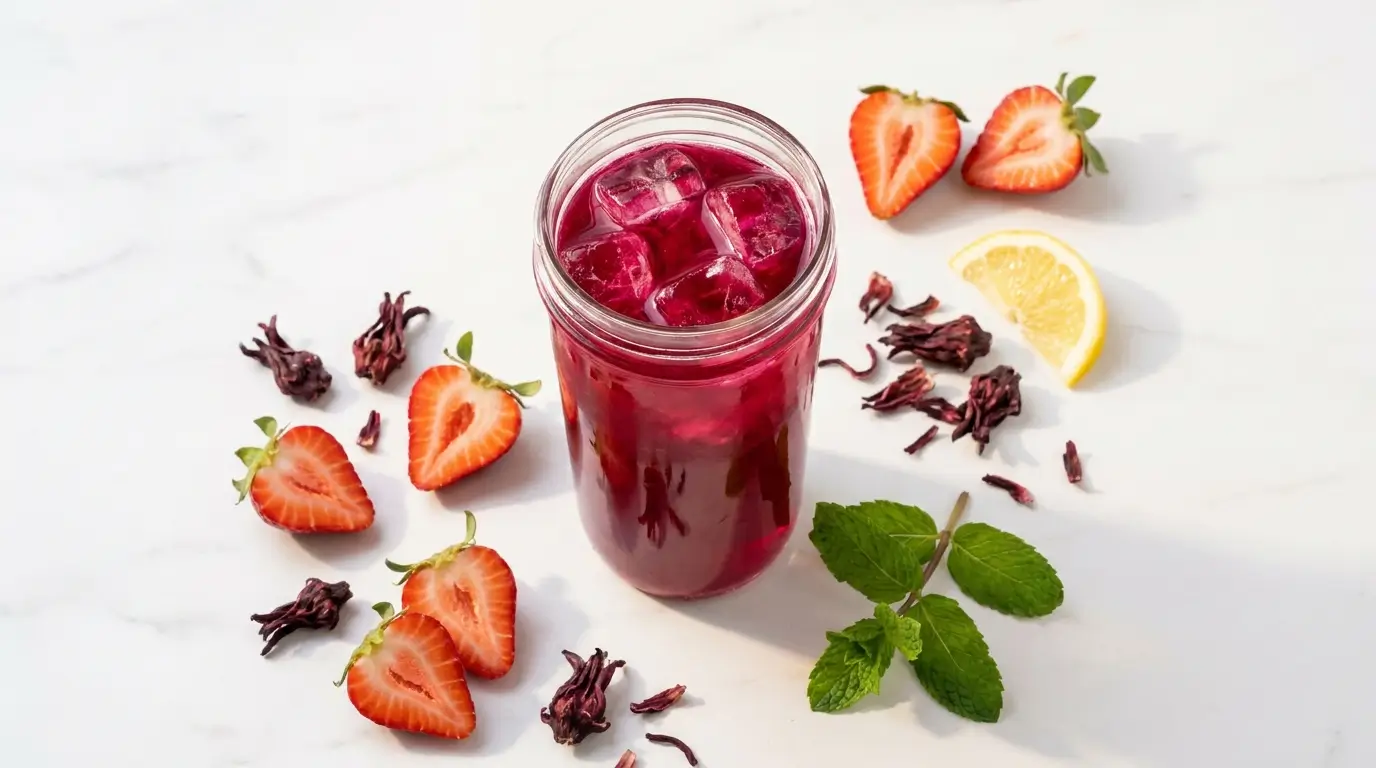
If your TikTok For You Page has been full of gorgeous magenta drinks lately, you’re not imagining things. The pink drink for weight loss trend has exploded in 2026, with creators claiming everything from a simple hibiscus agua fresca to a Starbucks copycat can help you shed pounds. But which pink drinks actually work, which are just pretty calories in disguise, and how do you make them at home for a fraction of the cost?
This guide ranks the five most popular pink weight loss drinks by calorie count and real metabolic benefit — with step-by-step recipes, honest comparisons, and a dietitian-approved breakdown of the science behind each one. Whether you’re team hibiscus, team strawberry-acai, or still loyal to the original Starbucks Pink Drink, you’ll find exactly what you need here.
What Actually Makes a Pink Drink Good for Weight Loss?
Not every pretty pink beverage earns its place on a weight loss plan. The ones that do tend to share three traits:
1. Low calorie density. A drink that adds significant calories without delivering protein or fiber is just liquid snacking. The most effective pink weight loss drinks clock in under 50 calories per serving.
2. Functional ingredients. Hibiscus, strawberry, and certain plant pigments (anthocyanins) aren’t just visually striking — research published in Food & Chemical Toxicology suggests anthocyanin-rich beverages may support fat metabolism and reduce oxidative stress markers. Hibiscus specifically has been studied for its effects on body weight and adipose tissue in multiple human trials.
3. Hydration mechanics. One of the most underrated weight loss levers is simply drinking more water. Pink drinks that are largely water-based — with fruit, hibiscus, or minimal sweetener — help you hit your daily hydration target while making the habit feel like a treat rather than a chore.
The 5 Best Pink Drinks for Weight Loss, Ranked by Calories
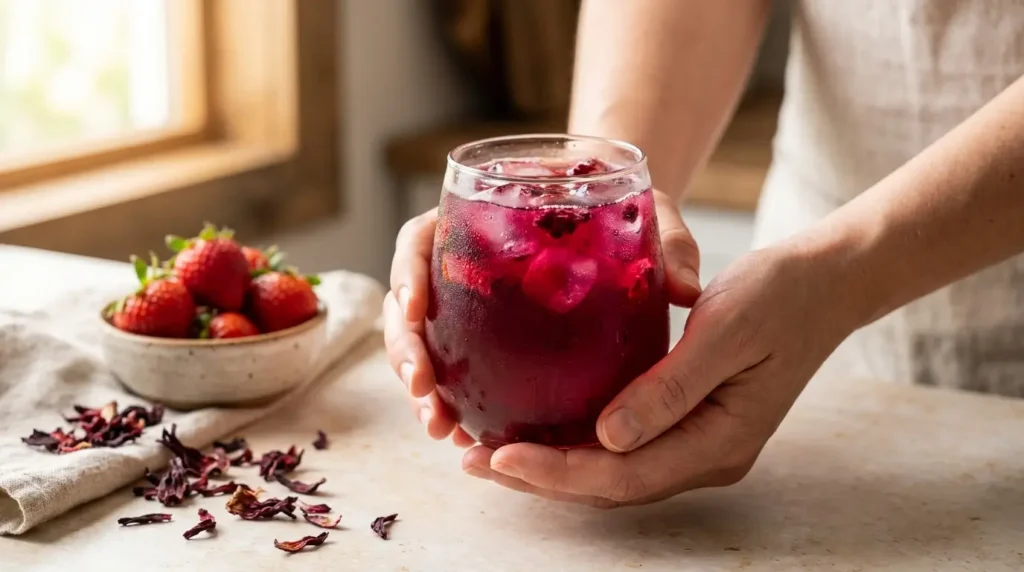
Here’s the honest ranking — from leanest to most calorie-dense — so you can match your choice to your daily budget.
🥇 #1 — DIY Hibiscus & Strawberry Weight Loss Drink (~15 calories)
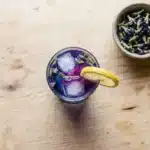
The winner and the one worth making today. This is the pink drink going most viral for legitimate reasons: it’s nearly calorie-free, loaded with anthocyanins, tart enough to curb sugar cravings, and beautiful enough to actually look forward to every morning.
📋 RECIPE CARD: DIY Pink Weight Loss Drink (Hibiscus & Strawberry)
| Prep time | 5 minutes |
| Steep time | 10 minutes |
| Servings | 1 (16 oz) |
| Calories | ~15 kcal |
| Carbs | 3g |
| Sugar | 2g (naturally occurring) |
| Protein | 0g |
| Fiber | 0g |
Ingredients:
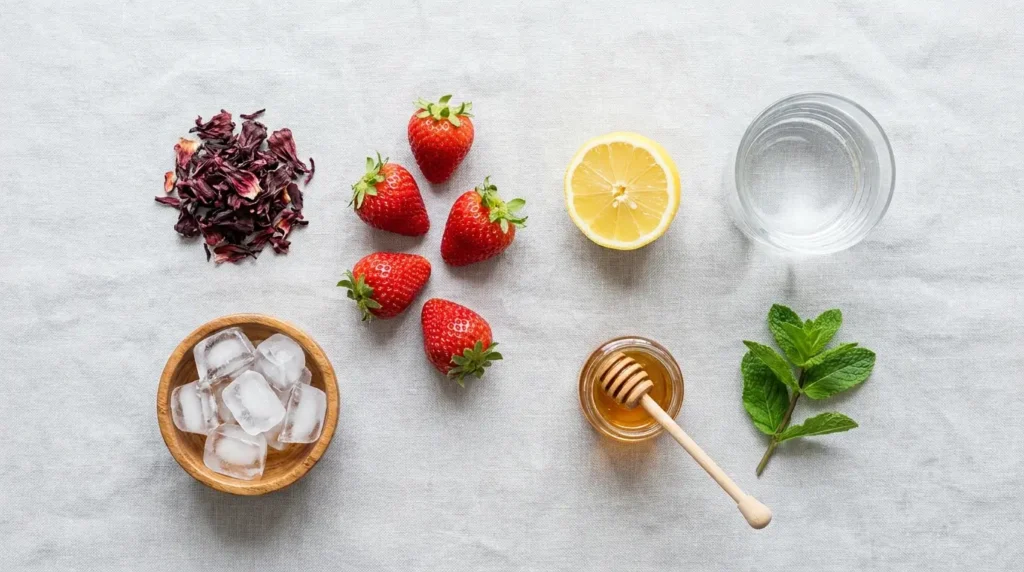
- 2 dried hibiscus flowers (or 1 hibiscus tea bag)
- 4–5 fresh or frozen strawberries, sliced
- 1 cup boiling water
- 1 cup cold water or ice
- 1 tbsp fresh lemon juice
- Optional: 1–2 tsp raw honey or a few drops of liquid stevia
- Optional: A small sprig of fresh mint
Instructions:
- Steep the hibiscus. Place the dried hibiscus flowers or tea bag in a mug. Pour the boiling water over them and steep for 8–10 minutes. The longer you steep, the deeper the magenta color and the more intense the tart flavor.
- Add the strawberries. Drop the sliced strawberries into the hot hibiscus liquid. Let them sit for 2–3 minutes — the heat draws out their natural pigment and flavor, deepening the pink.
- Strain and cool. Pour the mixture through a fine mesh strainer into a 16 oz glass over ice (or over the cold water). Press the strawberries gently with a spoon to extract all the juice.
- Finish. Add the lemon juice. Taste and sweeten minimally with honey or stevia if needed. Garnish with mint.
- Drink within 30 minutes for the best flavor and anthocyanin potency.
Dietitian note: The lemon juice isn’t just for flavor — the vitamin C content enhances iron absorption from the hibiscus and may protect some of the anthocyanins from oxidative degradation.
Make it a batch: Triple the recipe and refrigerate unsweetened for up to 3 days. Add ice and lemon fresh when serving.
DIY Pink Weight Loss Drink (Hibiscus & Strawberry)
A nearly calorie-free, antioxidant-rich pink weight loss drink made with dried hibiscus and fresh strawberries. Tart, visually stunning, and ready in 15 minutes — this is the DIY version that beats the Starbucks Pink Drink on every metric that matters for fat loss.
- Prep Time: 5
- Cook Time: 10
- Total Time: 15
- Yield: 1 serving (16 oz) 1x
- Category: Drinks
- Method: No-Cook
- Cuisine: American
- Diet: Vegan
Ingredients
- 2 dried hibiscus flowers (or 1 hibiscus tea bag)
- 4–5 fresh or frozen strawberries, sliced
- 1 cup boiling water
- 1 cup cold water or ice
- 1 tbsp fresh lemon juice
- 1–2 tsp raw honey or a few drops of liquid stevia (optional)
- 1 small sprig of fresh mint (optional garnish)
Instructions
- Steep the hibiscus. Place the dried hibiscus flowers or tea bag in a mug. Pour the boiling water over them and steep for 8–10 minutes. The longer you steep, the deeper the magenta color and the more intense the tart flavor.
- Add the strawberries. Drop the sliced strawberries into the hot hibiscus liquid. Let them sit for 2–3 minutes — the heat draws out their natural pigment and flavor, deepening the pink.
- Strain and cool. Pour the mixture through a fine mesh strainer into a 16 oz glass over ice (or over the cold water). Press the strawberries gently with a spoon to extract all the juice.
- Finish. Add the lemon juice. Taste and sweeten minimally with honey or stevia if needed. Garnish with fresh mint.
- Serve immediately for the best flavor and anthocyanin potency.
Notes
The lemon juice isn’t just for flavor — the vitamin C enhances iron absorption from the hibiscus and may protect anthocyanins from oxidative degradation. To make a batch, triple the recipe and refrigerate unsweetened for up to 3 days. Add fresh ice and lemon juice when serving.
Nutrition
- Serving Size: 16 oz (1 drink)
- Calories: 15
- Sugar: 2
- Sodium: 5
- Fat: 0
- Saturated Fat: 0
- Unsaturated Fat: 0
- Trans Fat: 0
- Carbohydrates: 3
- Fiber: 0
- Protein: 0
- Cholesterol: 0
🥈 #2 — Strawberry-Hibiscus Infused Water (~5 calories)
The lightest version on this list — and the one most compatible with an infused water approach if you’re already building that habit. Combine 5–6 sliced fresh strawberries with 1 hibiscus tea bag steeped in a 32 oz pitcher, then fill with cold water and refrigerate for 2+ hours. The hibiscus slowly colors the water a soft rose-pink while the strawberries add a whisper of sweetness.
At just 5 calories per 16 oz serving, this is virtually calorie-neutral. It’s ideal if you want to drink pink throughout the day without any calorie accumulation. If you’re already exploring how infused water supports weight loss goals, our guide to the 15 best infused water recipes includes two strawberry-hibiscus variations you can rotate.
🥉 #3 — Hibiscus-ACV Pink Morning Tonic (~20 calories)
This drink layers the metabolic benefits of hibiscus with a small dose of apple cider vinegar — a combination gaining traction for its dual action on blood sugar and digestion. Brew a strong hibiscus tea (steep for 12 minutes for deep color), let it cool slightly, then add 1 tablespoon raw unfiltered ACV, a squeeze of lemon, and a pinch of pink Himalayan salt for trace minerals and electrolyte balance. Sweeten lightly with stevia if needed.
The result is a deeply pigmented, slightly tangy morning drink that sits comfortably under 25 calories. The pink Himalayan salt addition here isn’t decorative: it contributes potassium, magnesium, and sodium to support hydration at the cellular level — the same mechanic behind the viral pink salt weight loss drink trend. Small amounts (¼ tsp or less) are all you need.
#4 — Strawberry-Acai Protein Pink Drink (~150 calories)
A different category entirely — this one is a meal-adjacent shake, not a low-calorie sip. Blend 1 cup frozen strawberries, ½ cup unsweetened coconut milk (carton, not canned), 1 scoop vanilla plant-based protein powder (targeting 20g+ protein), 1 tsp freeze-dried acai powder, and enough water to blend smooth. The acai powder deepens the pink and adds a dose of anthocyanins; the protein content makes this a legitimate hunger suppressant that supports satiety for 3–4 hours.
At roughly 150 calories and 20+ grams of protein, this isn’t a weight loss “trick drink” — it’s a strategic meal replacement for one light meal or a post-workout recovery option. Calorie-wise it’s the heaviest on this list, but the protein-per-calorie ratio is among the best.
#5 — Starbucks Pink Drink (Lightened Copycat, ~100 calories)
The drink that started the mainstream pink trend — the Starbucks Pink Drink (Strawberry Acai Refresher with coconut milk instead of water) — runs approximately 140–160 calories for a grande, depending on the amount of coconut milk used. The viral Starbucks copycat hack at home brings that down to around 100 calories while preserving the visual and flavor profile.
Lightened Starbucks Pink Drink Copycat: Combine ½ cup brewed hibiscus tea (cooled), ½ cup Strawberry Acai Refresher base (or a DIY version: ½ cup cold water + 1 tbsp freeze-dried strawberry powder + a pinch of green coffee extract for the caffeine kick + stevia to taste), and ½ cup lite coconut milk from a carton. Pour over ice, stir, and top with 3–4 freeze-dried strawberry pieces.
The lite coconut milk switch from the full-fat canned version saves roughly 60 calories per serving. It’s still a treat-forward drink — not the leanest on this list — but for days when nothing else will hit that Starbucks craving, it beats a $6 purchase with unknown sweetener quantities.
DIY Pink Drink vs. Starbucks Pink Drink: The Real Comparison
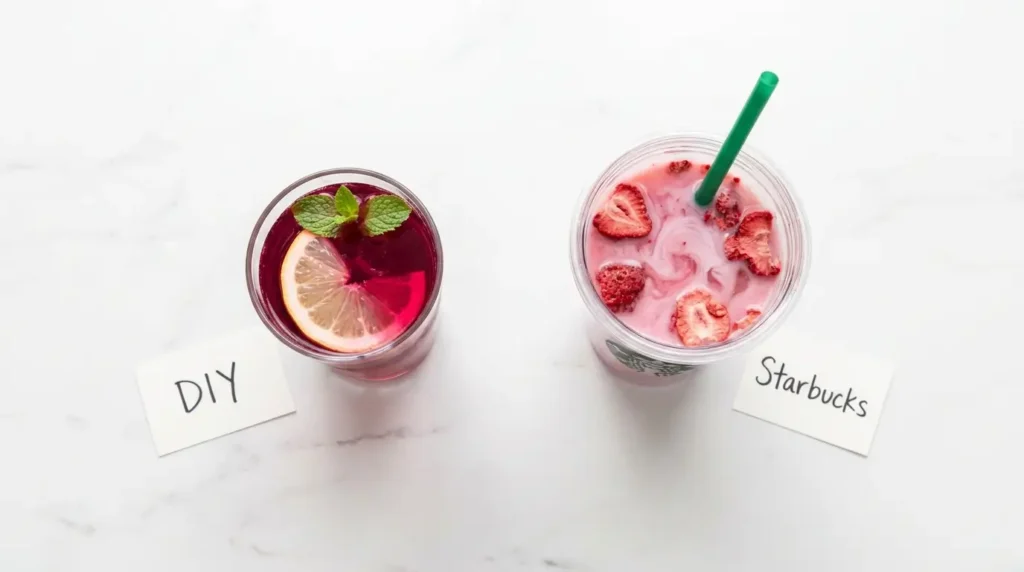
| Factor | DIY Hibiscus Recipe (#1) | Starbucks Pink Drink (grande) |
|---|---|---|
| Calories | ~15 kcal | ~140–160 kcal |
| Sugar | 2g (natural) | 25–27g (added + natural) |
| Cost per serving | ~$0.30–0.50 | ~$5.50–6.50 |
| Anthocyanins | High (hibiscus + strawberry) | Low–moderate (heavily diluted) |
| Customization | Full control | Limited |
| Caffeine | None | ~45–55mg (green coffee extract) |
| Convenience | 15-min prep | Instant |
| Weight loss utility | High | Low (high sugar content undermines deficit) |
The verdict is clear if weight loss is your goal: the DIY versions win on every metric that matters. The Starbucks Pink Drink is a great occasional treat, but its 25+ grams of added sugar make it a poor daily choice for anyone in a calorie deficit.
The Science Behind Pink Drinks and Weight Loss
Hibiscus (Hibiscus sabdariffa)
Hibiscus is the functional backbone of the most effective pink weight loss drinks. Multiple human clinical studies have investigated its effects on metabolic markers:
A 2014 study published in Food & Chemical Toxicology found that participants consuming hibiscus extract for 12 weeks showed significant reductions in body weight, BMI, body fat percentage, and hip-to-waist ratio compared to placebo. Researchers attribute this partly to the inhibition of amylase and glucosidase enzymes — the same enzymes that break down dietary starches into glucose, meaning hibiscus may modestly reduce the glycemic impact of meals consumed alongside it.
Hibiscus is also one of the richest natural sources of anthocyanins (specifically delphinidin-3-sambubioside and cyanidin-3-sambubioside), which are responsible for both its vivid color and its documented antioxidant, anti-inflammatory, and potential anti-adipogenic properties.
To get the most out of hibiscus in your pink drink, steep for at least 8 minutes in near-boiling water — shorter steeps extract less of the beneficial compounds. For a complete breakdown of timing and optimal preparation, see our guide on the best time to drink hibiscus tea — timing matters more than most people realize.
Strawberries
Beyond their beautiful pink contribution, strawberries contain ellagitannins and quercetin, plant compounds linked to anti-inflammatory activity and improved insulin sensitivity in observational studies. At roughly 7–8 calories per medium strawberry, they’re one of the most nutrient-dense low-calorie flavor boosters you can add to any drink. Their natural fructose content is low enough that 4–5 berries in a beverage won’t meaningfully spike blood sugar.
Coconut Milk (and Why the Type Matters)
When coconut milk appears in pink drink recipes, the type determines the calorie impact dramatically. Canned full-fat coconut milk runs 120–180 calories per ¼ cup. Carton coconut milk (the shelf-stable or refrigerated drinkable version) runs 20–45 calories per cup. For any pink drink where weight loss is the goal, carton is the only appropriate choice — it provides the creamy texture and coconut flavor with a fraction of the calorie load.
Best Time to Drink Your Pink Weight Loss Drink
Timing your pink drink strategically can amplify its benefits:
Morning (best for most people). Drinking the hibiscus-strawberry recipe first thing, 20–30 minutes before breakfast, may help prime digestion and provide a dose of antioxidants before oxidative stress from the day accumulates. The tartness also naturally suppresses appetite for many people, supporting a lighter or delayed breakfast.
Before meals. If your goal is appetite control, drinking 12–16 oz of the hibiscus infused water or the ACV tonic 20 minutes before eating gives the hibiscus enzyme-inhibiting compounds time to act before starch digestion begins.
Mid-afternoon. The 3 PM energy slump is one of the highest-risk windows for unnecessary snacking. A cold, visually appealing pink drink satisfies the craving for “something” without the calorie cost of a snack. Its tartness is also particularly refreshing in the afternoon heat.
What to avoid. Avoid sweetened pink drinks in the two hours before bed — even modest fructose intake close to sleep can interfere with the fat oxidation that naturally occurs during the overnight fast. The hibiscus infused water (Recipe #2) is the exception; it’s low enough in sugar to drink anytime.
For a full evidence-based look at drink timing and hibiscus bioavailability, our hibiscus timing guide covers morning vs. evening in detail.
5 Tips to Make Your Pink Drink Work Harder for Weight Loss
Use frozen strawberries. Frozen strawberries are picked at peak ripeness and often contain slightly higher anthocyanin concentrations than fresh supermarket berries that have been in transit for days. They’re also cheaper and available year-round.
Don’t over-sweeten. Every teaspoon of honey or sugar adds approximately 20–25 calories and sends a small blood sugar signal. One of the reasons these drinks are so effective when made correctly is that the natural tartness of hibiscus and lemon retrains your palate toward lower sweetness thresholds over time.
Make it part of a hydration strategy. Pink drinks work best as part of a larger hydration framework. If you’re building that habit, our full guide to infused water recipes for weight loss offers 15 flavor variations to rotate through so you never get bored with plain water again.
Pair with a protein-rich breakfast. Pink drinks are not meals. Their weight loss benefit is as a flavorful, near-calorie-free complement to a structured eating plan. Pairing Recipe #1 or #3 with a high-protein breakfast dramatically extends satiety compared to either alone.
Steep your hibiscus fresh. Pre-made hibiscus syrups and concentrates sold commercially often contain added sugar and heat-processed anthocyanins that may have reduced bioactivity. Steeping your own dried flowers takes 10 minutes and costs pennies per serving.
Frequently Asked Questions
Not meaningfully. The Starbucks Pink Drink contains approximately 25–27 grams of sugar per grande serving, which undermines any calorie deficit strategy. It can fit into a weight loss plan occasionally, but it should not be a daily drink if fat loss is your goal. The DIY hibiscus version above delivers the same aesthetic at under 15 calories.
Most of the human studies showing measurable metabolic benefits used daily consumption over 8–12 weeks. Once daily — particularly in the morning or before a meal — appears to be the sweet spot for both consistency and benefit.
Recipes #1 and #2 (hibiscus infused water, no sweetener added) contain negligible calories and are generally considered safe to consume during a fasting window without breaking the fast. Adding honey, coconut milk, or fruit juice would technically break a strict fast.
Pink lemonade is colored artificially or with strawberry juice and typically contains 100–150 calories per 12 oz serving, mostly from added sugar. Hibiscus drinks derive their color from anthocyanin pigments with documented functional properties — the color itself is a proxy for the health-relevant compounds, not just aesthetics.
Hibiscus is well-tolerated by most healthy adults. However, it is not recommended during pregnancy, may interact with some antihypertensive medications (it has a mild blood-pressure-lowering effect), and may affect estrogen metabolism. If you take prescription medications or have a chronic condition, check with your healthcare provider before making it a daily habit. For a deeper look at who benefits most — and who should be cautious — our complete hibiscus guide covers the clinical picture in full.
The Bottom Line
The pink drink for weight loss trend isn’t just a pretty aesthetic moment — when built around hibiscus, strawberry, and smart hydration rather than added sugar and coconut cream, these drinks genuinely earn a place in a fat loss toolkit. The DIY Hibiscus & Strawberry recipe above is the clear winner: it delivers the deepest anthocyanin load, the most vivid color, and the lowest calorie count of any version you’ll find — at roughly 5% of the cost of a daily Starbucks Pink Drink habit.
Make it part of your morning routine, keep it nearly sugar-free, pair it with a protein-anchored diet, and you’ll have something that both your metabolism and your TikTok audience can appreciate.
For more drinks in this calorie bracket that support hydration and fat loss, explore our weight loss drinks pillar guide — it ranks every major category from viral TikTok hacks to evidence-backed teas in one place.
Always consult a registered dietitian or healthcare provider before making significant dietary changes, especially if you have a chronic health condition or take medications.